Loading...

Introducing Experian Verify

by Guest Contributor 2 min read May 26, 2021

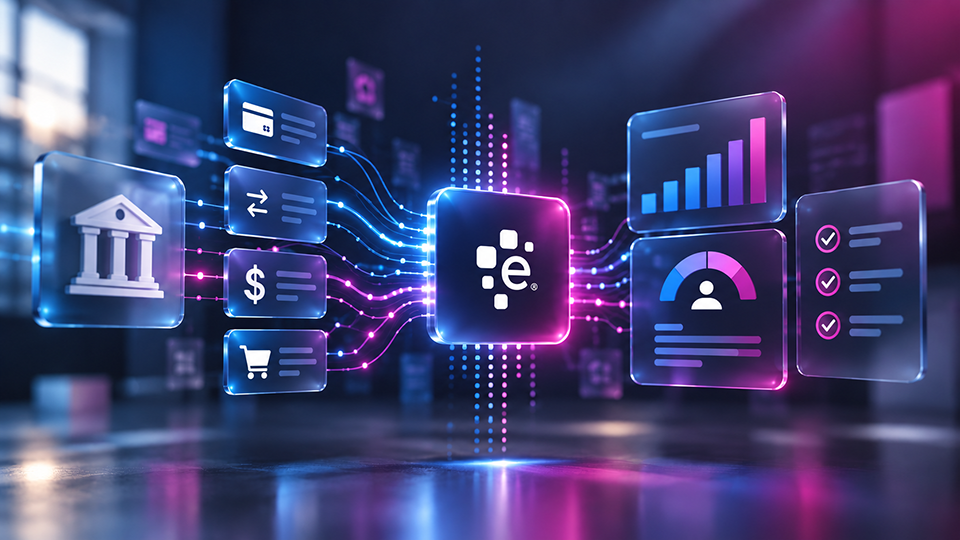
Experian recently announced its expansion into Employer Services and the release of a new suite of real-time income and employment verification products, Experian Verify™.

The COVID-19 pandemic amplified lenders’ need for deeper insights into a consumer’s financial situation. At the same time, employers were flooded with record-breaking unemployment claims, while managing stay-at-home orders, income and employment verification fulfillment requests, and more.

“We’re committed to helping employers, businesses, lenders, and consumers on the road to recovery from the pandemic and beyond,” said Alex Lintner, Group President Experian Consumer Information Services. “To support this, we’re building two businesses: Experian Employer Services and Verification Solutions. These businesses will create meaningful change and provide our clients with competitive options to achieve their verification needs while helping improve access to credit for consumers.”

With Experian Verify, lenders can quickly and easily create a more complete picture of a consumer’s financial situation by verifying an applicant’s income and employment status.

Powered by our growing network of payroll and proprietary employer data, Experian Verify offers lenders flexible and secure access to income and employment records. With a consumer’s consent, lenders can request the information from Experian and an income and employment report can be delivered to lenders through an API, online Experian dashboard, or paired with an Experian credit report.

“As we begin to recover from the COVID-19 pandemic and employers are reopening their doors, we’re confident we have assembled the best-of-the-best to help employers overcome their toughest challenges. We’re committed to leveraging our combined capabilities and focus on high-touch customer service to deliver secure, scalable and transparent services to employers,” said Michele Bodda, President of Experian Mortgage, Employer Services and Verification solutions.

Visit us for more information on Experian Verify and Experian’s Employer Services.
Contact us

Related Posts

Since 1996, The Internal Revenue Service (IRS) has issued more than 27 million individual taxpayer identification numbers (ITINs) –⁠ a 9-digit number used by individuals who are required to file or report taxes in the United States but are not eligible to obtain a Social Security number (SSN). Across the country, ITIN holders are actively contributing to their communities and the U.S. financial system. They pay bills, build businesses, contribute billions in taxes and manage their finances responsibly. Yet despite their clear engagement, many remain underrepresented within traditional lending models.  Lenders have a meaningful opportunity to bridge the gap between intention and impact. By rethinking how ITIN consumers are evaluated and supported, financial institutions can: Reduce barriers that have historically held capable borrowers back Build products that reflect real borrower needs Foster trust and strengthen community relationships Drive sustainable, responsible growth Our latest white paper takes a more holistic look at ITIN consumers, highlighting their credit behaviors, performance patterns and long-term growth potential. The findings reveal a population that is not only financially engaged, but also demonstrating signs of ongoing stability and mobility. A few takeaways include: ITIN holders maintain a lower debt-to-income ratio than SSN consumers. ITIN holders exhibit fewer derogatory accounts (180–⁠400 days past due). After 12 months, 76.9% of ITIN holders remained current on trades, a rate 15% higher than SSN consumers. With deeper insight into this segment, lenders can make more informed, inclusive decisions. Read the full white paper to uncover the trends and opportunities shaping the future of ITIN lending. Download white paper

by Theresa Nguyen 2 min read February 2, 2026

%%excerpt%% %%page%% Explore how modern tools like consumer-permissioned data, secure uploads, and AI are transforming income and employment verification—bridging gaps left by outdated manual processes and supporting today’s evolving workforce.

by Lizel Ferrer 2 min read January 28, 2026

Unlock the future of fintech by exploring how alternative data is reshaping decision-making and growth strategies.

by Laura Burrows 2 min read January 12, 2026

Subscribe to our blog

Enter your name and email for the latest updates.

This site is protected by reCAPTCHA and the Google Privacy Policy and Terms of Service apply.

Subscribe to our Experian Insights blog

Don't miss out on the latest industry trends and insights!
Subscribe