Apply DA Tag

Replay attacks may threaten your customers’ online security Today, consumer online security is more important than ever. This year, the FTC has already received nearly six million reports of fraud, and 1.4 million of those cases were specifically identity theft.[1] In addition, a recent study reported that losses due to identity fraud amounted to almost $23 billion in 2023.[2] And consumers aren’t the only ones at risk. According to CyberArk’s global research report, 93% of organizations had two or more identity-related breaches in the past year.[3] This means it’s not only up to consumers to protect themselves against identity theft. It’s also up to businesses to protect themselves and their customers from the threat of fraud. As security technology advances, so do the tactics of hackers attempting to steal information such as usernames, account numbers, and passwords from innocent online users. One method that hackers use to obtain this information is called a replay attack, which can pose a serious threat to your customers’ online security. What is a replay attack? A replay attack is a network-based security hack in which a hacker intercepts legitimate data transmission and then fraudulently repeats it to gain access to a network or system. These attacks are designed to fool the victim into believing the hacker is a genuine user, and they happen in three steps: Eavesdropping: The hacker listens in on secure network communications, such as information sent through a Virtual Private Network (VPN), to learn about the activity happening on that network. Interception: The hacker intercepts legitimate user information – usernames, user activity, computer specs, passwords, etc. Replay: The hacker illegally resends (or “replays”) the valid information they gathered to trick the receiver into thinking that they are a genuine user. Here’s an example: John transfers funds from one online banking account to another. A hacker illegally captures that transaction message (which is often accompanied by a digital signature or token) and “replays” that same transaction message multiple times to trigger additional fund transfers, all without the genuine user’s knowledge or permission. The bank doesn’t recognize a problem because the “replayed” transaction messages includes the legitimate digital signature/token, so the bank approves the additional transfers. Replay attacks aren’t just used for banking transactions. They can be used for various activities, such as: Internet of Things (IoT) device attacks: IoT devices include a multitude of “smart home” devices such as smart plugs, cameras, locks, appliances, speakers, lights, and more. Vulnerabilities in these devices can allow hackers to replicate commands to these devices that seem legitimate, such as turning on cameras, unlocking doors, and disabling security systems.[4] Remote keyless entry systems for vehicles: Most vehicles use a remote key fob to lock and unlock the doors. This key fob usually uses radio waves to send the lock/unlock signal to the car. Hackers can use a device to receive and transmit radio waves near a person’s vehicle that mimic that same lock/unlock signal, and then “replay” that signal to unlock the person’s car themselves.[5] Text-dependent speaker verification: Some people use voice recognition to verify their identity when accessing an account or system. Hackers can record a person’s voice when the person speaks to verify their identity, and then “replay” that voice recording to fraudulently access the account.[6] How to prevent replay attacks Replay attacks are dangerous because they are often unnoticed or overlooked until the damage has already been done. Fortunately, there are ways to stop hackers from using replay attacks to access your customers’ personal information. Device intelligence: By leveraging unique intelligence about the device being used, replay attacks can be thwarted even when fraudsters are using authentic, but stolen, information. Time stamping: By forcing a timestamp on all sent and received messages, you can prevent hackers from sending repeated messages with legitimate information obtained illegally. Geolocation review: By identifying suspicious language and/or time zones, you can compare access routes to confirm customers are authentic and secure. Why it matters for your business Consumers in the U.S. value network security more than ever, with 70% rating security a top priority, even over personalization and convenience.[7] People want to feel safe online, and if they experience a threat of identity theft or fraud, they’ll need to find a reliable resource to keep their personal information secure. Successful replay attacks allow fraudsters to impersonate real users and potentially gain partial or full access to their personal online accounts. If your customers fall victim to these kinds of attacks, the resulting stress may have a negative impact on your relationship with them. With our fraud management solutions, your business can strengthen your customers’ trust and security by leveraging highly trained fraud analysts to help uncover suspicious activity that might not be noticed otherwise. Lower fraud losses and achieve fraud capture rates that exceed industry averages. Protect your customers by using a covert, frictionless solution the reduces false positives. Improve operational efficiency by prioritizing resources across the board. Protect your consumers with powerful fraud management solutions 63% of consumers say it’s important for businesses to be able to recognize them online, and 81% say they are more trusting of businesses that can accomplish easy and accurate identification.[8] While replay attacks can cause consumers stress and anxiety, taking action to prevent them can fortify a strong, trusting relationship between your business and your customers. Protect your customers and prevent replay attacks with our powerful fraud management solutions. Get started [1] IdentityTheft.org, 2024 Identity Theft Facts and Statistics. [2] Javelin, 2024 Identity Fraud Study: Resolving the Shattered Identity Crisis. [3] CyberArk, Report: 93% of Organizations Had Two or More Identity-Related Breaches in the Past Year, May 2024. [4] Hackster.io, IoT Devices May Be Susceptible to Replay Attacks with a Raspberry Pi and RTL-SDR Dongle, 2017. [5] Automotive World, How to mitigate vulnerabilities in keyless entry systems, 2023. [6] Antispoofing, Audio Replay Attacks and Countermeasures Against Them, 2022. [7] 2018 Experian® Global Fraud Report [8] Experian® 2024 Identity and Fraud Report Highlights Evolving Fraud Landscape This article includes content created by an AI language model and is intended to provide general information.
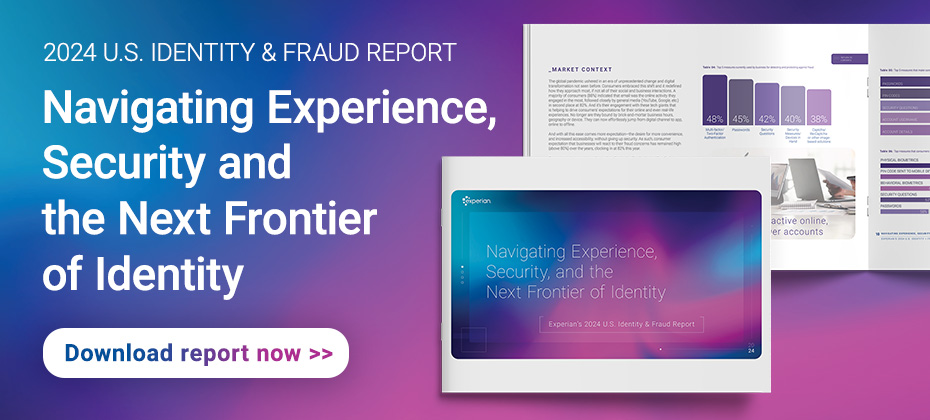
Experian’s ninth annual report on identity and fraud highlights persistent worries among consumers and businesses about fraud, including growing threats from GenAI. In this report, we explore how the evolving fraud landscape is impacting identity verification, customer experience, and business priorities for the future. Our 2024 U.S. Identity and Fraud Report draws insights from surveys of over 2,000 U.S. consumers and 200 businesses. This year’s report dives into: Evolving consumer sentiment over security and experience Businesses’ investments to tackle growing fraud challenges Effective technology solutions to accurately identify and authenticate consumers The impact of GenAI on the fraud landscape To keep pace with the evolving landscape, businesses will need to apply a multi-faceted strategy that leverages multiple types of recognition and security to stop all types of fraud while allowing real customers through. To learn more about our findings and perspective, read the full 2024 U.S. Identity and Fraud Report, watch our on-demand webinar, or read the press release. Download Now Watch Webinar Read Press Release

Gen Z, or "Zoomers," born from 1997 to 2012, are molded by modern transformations. They have witnessed events from post-9/11 impacts to the rise of the internet and the COVID-19 crisis. As early adopters of technology, their lives are intertwined with smartphones, online shopping, social platforms, cloud services, emerging fintech, and artificial intelligence. They are called “digital natives” as they are the first generation to grow up with internet as part of their daily life. Research generally indicates that this post-millennial generation values practicality, favoring financial stability over entrepreneurial pursuits. They appreciate communication tailored to them and often employ social media to cultivate their personal brands. As a generation growing up immersed in technology, they tend to choose digital interactions, seeking to forge robust, secure, genuine, and unconstrained digital experiences. The challenge of identity verification Identity verification presents a considerable challenge for Generation Z. According to a Fortune survey, close to 50% of this demographic regrets not opening financial accounts earlier, citing a lack of readiness to join the financial ecosystem by the age of 18. Consequently, this has given rise to "digital ghosts"—people with minimal or nonexistent financial histories who face challenges when trying to utilize financial services. The 2009 Credit Card Accountability Responsibility and Disclosure Act mandates that individuals under 21 need a cosigner or show income proof to get a credit card, hindering their early financial involvement. Moreover, conventional identity checks are becoming less reliable due to the surge in identity theft. Innovative solutions for verifying Gen Z Verifying identities and preventing fraud among Gen Z presents unique challenges due to their digital-native status and limited credit histories. Here are some effective strategies and approaches that financial institutions can adopt to address these challenges: Leveraging alternative data sources Academic records leverage information from higher learning institutions such as universities, colleges, and vocational schools. This data can be vital for authenticating the identities of younger individuals who may lack a substantial credit history. Employment verification retrieve data confirming the identity and employment status, especially focusing on Gen Z who are new to the job market. Utility and telecom records leverage payment histories for utilities, phone bills, and other recurring services, which can provide additional layers of identity verification. Alternative financial data includes online small dollar lenders, online installment lenders, single payment, line of credit, storefront small dollar lenders, auto title and rent-to-own. Phone-Centric ID Phone-Centric Identity refers to technology that leverages and analyzes mobile, telecom, and other signals for the purposes of identity verification, identity authentication, and fraud prevention. Phone-Centric Identity relies on billions of signals from authoritative sources pulled in real time, making it a powerful proxy for digital identity and trust. Advance authentication technologies Behavioral biometrics analyze user behaviors such as typing patterns, navigation habits, and device usage. These subtle behaviors can help create a unique profile for each user, making it difficult for fraudsters to impersonate them. Adaptive risk-based authentication that adjusts the level of security based on the user's behavior, location, device, and other factors. For example, a higher level of verification might be required for transactions that are deemed unusual or high-risk. Real-time fraud detection AI and machine learning: Deploy AI and machine learning algorithms to analyze transaction patterns and detect anomalies in real-time. These technologies can identify suspicious activities and flag potential fraud. Fraud analytics: Use predictive analytics to assess the likelihood of fraud based on historical data and current behavior. This approach helps in proactively identifying and mitigating fraudulent activities. Secure digital onboarding Digital identity verification: Implement digital onboarding processes that include online identity verification with real-time document verification. Users can upload government-issued IDs and take selfies to confirm their identity. Video KYC (Know Your Customer): Use video calls to conduct KYC processes, allowing bank representatives to verify identities and documents remotely via automated identity verification. This method is secure and convenient for tech-savvy Gen Z customers. Make identity verification easy To authenticate identities and combat fraud within the Gen Z population, financial organizations need to implement a comprehensive strategy utilizing innovative technologies, non-traditional data, and strong protective protocols. Such actions will enable the creation of a trustworthy and frictionless banking environment that appeals to a generation adept in digital interactions, thereby establishing trust and encouraging enduring connections. To learn more about Experian’s automated identity verification solutions, visit our website. Learn more

In this article...Rise of AI in fraudulent activitiesFighting AI with AI Addressing fraud threatsBenefits of leveraging AI fraud detectionFinancial services use caseExperian's AI fraud detection solutions In a world where technology evolves at lightning speed, fraudsters are becoming more sophisticated in their methods, leveraging advancements in artificial intelligence (AI). According to our 2025 U.S. Identity and Fraud Report, 72% of businesses expect AI fraud to be among their top challenges by 2026. To combat emerging fraud threats, organizations are turning to AI fraud detection to stay ahead and protect their businesses and their customers, essentially fighting AI with AI. This blog post explores the evolving AI fraud and AI fraud detection landscape. The rise of AI in fraudulent activities Technology is a double-edged sword. While it brings numerous advancements, it also provides fraudsters with new tools to exploit. AI is no exception. Here are some ways fraudsters are utilizing AI: Automated bot attacks: Fraudsters employ AI to design automated scripts that launch large-scale attacks on systems. These scripts can perform credential stuffing, where stolen usernames and passwords are automatically tested across multiple sites to gain unauthorized access. Deepfakes and synthetic identities: Deepfake technology and the creation of synthetic identities are becoming more prevalent. Fraudsters use AI to manipulate videos and audio, making it possible to impersonate individuals convincingly. Similarly, synthetic identities blend real and fake information to create false personas. Phishing and social engineering: AI-driven phishing attacks are more personalized and convincing than traditional methods. By analyzing social media profiles and other online data, fraudsters craft tailored messages that trick individuals into revealing sensitive information. Watch now: Our 2025 Fraud Trends webinar explores how businesses can navigate rising risk, meet growing consumer expectations, and stay ahead of increasingly complex attacks. Fighting AI with AI in fraud detection To combat these sophisticated threats, businesses must adopt equally advanced measures. AI fraud detection offers a robust solution: Machine learning algorithms: Fraud detection machine learning algorithms analyze vast datasets to identify patterns and anomalies that indicate fraudulent behavior. These algorithms can continuously learn and adapt, improving their accuracy over time. Real-time monitoring: AI systems provide real-time monitoring of transactions and activities. This allows businesses to detect and respond to fraud attempts instantly, minimizing potential damage. Predictive analytics: Predictive analytics uses historical data to forecast future fraud trends. By anticipating potential threats, organizations can take proactive measures to safeguard their assets. Addressing fraud threats with AI fraud detection AI's versatility allows it to tackle various types of fraud effectively: Identity theft: According to our research, 68% of consumers rank identity theft as their top online concern. AI systems can help safeguard consumers by cross-referencing multiple data points to verify identities. They can spot inconsistencies that indicate identity theft, such as mismatched addresses or unusual login locations. Payment fraud: Coming in second to identity theft, 61% of consumers rank stolen credit card information as their top online concern. Payment fraud includes unauthorized credit card transactions and chargebacks. AI can be used in payment fraud detection to surface unusual spending patterns and flag suspicious transactions for further investigation. Account takeover: Account takeover fraud, one of the top-most encountered fraud events reported by U.S. businesses, occurs when fraudsters gain access to user accounts and conduct unauthorized activities.* AI identifies unusual login behaviors and implements additional security measures to prevent account breaches. Synthetic identity fraud: Synthetic identity fraud involves the creation of fake identities using real and fabricated information. AI fraud solutions detect these false identities by analyzing data inconsistencies and behavioral patterns. Benefits of leveraging AI fraud detection Implementing AI fraud detection offers numerous advantages: Enhanced accuracy: AI systems are highly accurate in identifying fraudulent activities. Their ability to analyze large datasets and detect subtle anomalies surpasses traditional methods. Cost savings: By preventing fraud losses, AI systems save businesses significant amounts of money. They also reduce the need for manual investigations, freeing up resources for other tasks. Improved customer experience: AI fraud detection minimizes false positives, ensuring genuine customers face minimal friction. This enhances the overall customer experience and builds trust in the organization. Scalability: AI systems can handle large volumes of data, making them suitable for organizations of all sizes. Whether you're a small business or a large enterprise, AI can scale to meet your needs. Financial services use case The financial sector is particularly vulnerable to fraud, making AI an invaluable tool for fraud detection in banking. Protecting transactions: Banks use AI to monitor transactions for signs of fraud. Machine learning algorithms analyze transaction data in real time, flagging suspicious activities for further review. Enhancing security: AI enhances security by implementing multifactor authentication and behavioral analytics. These measures make it more challenging for fraudsters to gain unauthorized access. Reducing fraud losses: By detecting and preventing fraudulent activities, AI helps banks reduce their fraud losses throughout the customer lifecycle. This not only saves money but also protects the institution's reputation. Experian's AI fraud detection solutions AI fraud detection is revolutionizing the way organizations combat fraud. Its ability to analyze vast amounts of data, detect anomalies, and adapt to new threats makes it an essential element of any comprehensive fraud strategy. Experian’s range of AI fraud detection solutions help organizations enhance their security measures, reduce fraud losses, authenticate identity with confidence, and improve the overall customer experience. If you're interested in learning more about how AI can protect your business, explore our fraud management solutions or contact us today. Learn More * Source: 2025 U.S. Identity and Fraud Report This article includes content created by an AI language model and is intended to provide general information.

In this article...Recent trends in credit card debtThe rising tide of delinquenciesWhat is credit limit optimization?Benefits of credit limit optimizationEconomic indicators and CLO ImpactEnhanced profitability and risk mitigation This post was originally published on our Global Insights Blog. As credit card issuers grow, the size of their customer base expands, bringing both opportunities and challenges. One of the most critical challenges is managing growth while controlling default rates. Credit limit optimization (CLO) has emerged as a vital tool for banks and credit lenders to achieve this balance. By leveraging machine learning models and mathematical optimization, CLO enables lenders to tailor credit limits to individual customers, enhancing profitability while mitigating risk. Recent trends in credit card debt To understand the significance of CLO, it is essential to consider the current economic landscape. The first quarter of 2024 saw total household debt in the U.S. rise by $184 billion, reaching $17.69 trillion. While credit card balances declined slightly (a reflection of seasonal factors and consumer spending patterns), they remain a substantial component of household liabilities, with total credit card debt standing at approximately $1.26 trillion in early 2024. On average, American households hold around $10,479 in credit card debt, which is down from previous years but still significant. The average APR for credit cards in the first quarter of 2024 was 21.59%.* The rising tide of delinquencies In the first quarter of 2024, about 8.9% (annualized) of credit card balances transitioned into delinquency. This trend underscores the need for credit card issuers to adopt more sophisticated methods to assess credit risk and adjust credit limits accordingly. The rising rate of credit card delinquencies is a key driver behind the adoption of CLO strategies. What is credit limit optimization? Credit limit optimization uses advanced analytics to assess individual customers’ creditworthiness. By analyzing various data points, including payment history, income levels, spending patterns, and economic indicators, these tools can recommend optimal credit limits that maximize customer spending potential while minimizing the risk of default, all within the constraints set by the business in terms of its appetite for risk and capacity. For instance, a customer with a strong payment history and stable income might receive a higher credit limit, encouraging more spending and enhancing the lender’s revenue through interest and interchange fees. Conversely, customers showing signs of financial stress might see their credit limit reduced to prevent them from accumulating unmanageable debt. Benefits of credit limit optimization Improved profitability – By setting credit limits reflecting customers’ credit risk and spending potential, lenders can increase their revenue through higher interest and fee income. Reduced default rates – Lenders can significantly reduce the incidence of bad debt by identifying customers at risk of default and adjusting their credit limits accordingly. Improved customer satisfaction – Personalized credit limits can improve customer satisfaction, as customers are more likely to receive credit that matches their needs and financial situation. Regulatory compliance – CLO can help lenders comply with regulatory requirements by ensuring that credit limits are set based on objective, data-driven criteria. Economic indicators and CLO Impact Several economic indicators provide context for the importance of CLO in the current market. For instance, the Federal Reserve reported that in 2023, fewer than half of adult credit cardholders carried a balance on their cards, down from previous years. This indicates a more cautious approach to credit use among consumers, likely influenced by economic uncertainty and rising interest rates. Moreover, the disparity in credit card debt across different states highlights the varying economic conditions and the need for tailored credit strategies. States like New Jersey have some of the highest average credit card debts, while states like Mississippi have the lowest. This regional variation underscores lenders’ need to adopt flexible, data-driven approaches to credit limit setting. Enhanced profitability and risk mitigation Credit limit optimization is critical for credit card issuers aiming to balance growth and risk management. As economic conditions evolve and consumer behaviors shift, the ability to set personalized credit limits will become increasingly important. By leveraging advanced analytics and machine learning, CLO enhances profitability and contributes to a more stable and resilient financial system. One such solution is Experian’s Ascend Intelligence Services™ Limit, which provides an optimized strategy designed to enhance the precision and effectiveness of credit limit assignments. Ascend Intelligence Services™ Limit combines best-in-class bureau data with machine learning to simulate the impact of different credit limits in real time. This capability allows lenders to quickly test and refine their credit limit strategies without the lengthy trial-and-error period traditionally required. Ascend Intelligence Services Limit enables lenders to set credit limits that align with their business objectives and risk tolerance. By providing insights into the likelihood of default and potential revenue for each credit limit scenario, Ascend Intelligence Services Limit helps design optimal limit strategies. This not only maximizes revenue but also minimizes the risk of defaults by ensuring credit limits are appropriate for each customer’s financial situation. In a landscape marked by rising delinquencies and varying regional debt levels, the strategic use of CLO like Ascend Intelligence Services Limit represents a forward-thinking approach to credit management, benefiting both lenders and consumers. Learn More * HOUSEHOLD DEBT AND CREDIT REPORT (Q1 2024) – Federal Reserve Bank of New York

In this article...What is credit card fraud?Types of credit card fraudWhat is credit card fraud prevention and detection?How Experian® can help with card fraud prevention and detection With debit and credit card transactions becoming more prevalent than cash payments in today’s digital-first world, card fraud has become a significant concern for organizations. Widespread usage has created ample opportunities for cybercriminals to engage in credit card fraud. As a result, millions of Americans fall victim to credit card fraud annually, with 52 million cases reported last year alone.1 Preventing and detecting credit card fraud can save organizations from costly losses and protect their customers and reputations. This article provides an overview of credit card fraud detection, focusing on the current trends, types of fraud, and detection and prevention solutions. What is credit card fraud? Credit card fraud involves the unauthorized use of a credit card to obtain goods, services or funds. It's a crime that affects individuals and businesses alike, leading to financial losses and compromised personal information. Understanding the various forms of credit card fraud is essential for developing effective prevention strategies. Types of credit card fraud Understanding the different types of credit card fraud can help in developing targeted prevention strategies. Common types of credit card fraud include: Card not present fraud occurs when the physical card is not present during the transaction, commonly seen in online or over-the-phone purchases. In 2023, card not present fraud was estimated to account for $9.49 billion in losses.2 Account takeover fraud involves fraudsters gaining access to a victim's account to make unauthorized transactions. In 2023, account takeover attacks increased 354% year-over-year, resulting in almost $13 billion in losses.3,4 Card skimming, which is estimated to cost consumers and financial institutions over $1 billion per year, occurs when fraudsters use devices to capture card information from ATMs or point-of-sale terminals.5 Phishing scams trick victims into providing their card information through fake emails, texts or websites. What is credit card fraud prevention and detection? To combat the rise in credit card fraud effectively, organizations must implement credit card fraud prevention strategies that involve a combination of solutions and technologies designed to identify and stop fraudulent activities. Effective fraud prevention solutions can help businesses minimize losses and protect their customers' information. Common credit card fraud prevention and detection methods include: Fraud monitoring systems: Banks and financial institutions employ sophisticated algorithms and artificial intelligence to monitor transactions in real time. These systems analyze spending patterns, locations, transaction amounts, and other variables to detect suspicious activity. EMV chip technology: EMV (Europay, Mastercard, and Visa) chip cards contain embedded microchips that generate unique transaction codes for each purchase. This makes it more difficult for fraudsters to create counterfeit cards. Tokenization: Tokenization replaces sensitive card information with a unique identifier or token. This token can be used for transactions without exposing actual card details, reducing the risk of fraud if data is intercepted. Multifactor authentication (MFA): Adding an extra layer of security beyond the card number and PIN, MFA requires additional verification such as a one-time code sent to a mobile device, knowledge-based authentication or biometric/document confirmation. Transaction alerts: Many banks offer alerts via SMS or email for every credit card transaction. This allows cardholders to spot unauthorized transactions quickly and report them to their bank. Card verification value (CVV): CVV codes, typically three-digit numbers printed on the back of cards (four digits for American Express), are used to verify that the person making an online or telephone purchase physically possesses the card. Machine learning and AI: Advanced algorithms can analyze large datasets to detect unusual patterns that may indicate fraud, such as sudden large transactions or purchases made in different geographic locations within a short time frame. Advanced algorithms can analyze large datasets to detect unusual patterns that may indicate fraud, such as sudden large transactions or purchases made in different geographic locations within a short time frame. Behavioral analytics: Monitoring user behavior to detect anomalies that may indicate fraud. Education and awareness: Educating consumers about phishing scams, identity theft, and safe online shopping practices can help reduce the likelihood of falling victim to credit card fraud. Fraud investigation units: Financial institutions have teams dedicated to investigating suspicious transactions reported by customers. These units work to confirm fraud, mitigate losses, and prevent future incidents. How Experian® can help with card fraud prevention and detection Credit card fraud detection is essential for protecting businesses and customers. By implementing advanced detection technologies, businesses can create a robust defense against fraudsters. Experian® offers advanced fraud management solutions that leverage identity protection, machine learning, and advanced analytics. Partnering with Experian can provide your business with: Comprehensive fraud management solutions: Experian’s fraud management solutions provide a robust suite of tools to prevent, detect and manage fraud risk and identity verification effectively. Account takeover prevention: Experian uses sophisticated analytics and enhanced decision-making capabilities to help businesses drive successful transactions by monitoring identity and flagging unusual activities. Identifying card not present fraud: Experian offers tools specifically designed to detect and prevent card not present fraud, ensuring secure online transactions. Take your fraud prevention strategies to the next level with Experian's comprehensive solutions. Explore more about how Experian can help. Learn More Sources 1 https://www.security.org/digital-safety/credit-card-fraud-report/ 2 https://www.emarketer.com/chart/258923/us-total-card-not-present-cnp-fraud-loss-2019-2024-billions-change-of-total-card-payment-fraud-loss 3 https://pages.sift.com/rs/526-PCC-974/images/Sift-2023-Q3-Index-Report_ATO.pdf 4 https://www.aarp.org/money/scams-fraud/info-2024/identity-fraud-report.html 5 https://www.fbi.gov/how-we-can-help-you/scams-and-safety/common-scams-and-crimes/skimming This article includes content created by an AI language model and is intended to provide general information.

Finding a balance between providing secure financial services and user-friendly experiences is no easy task. One of the biggest hurdles? Ensuring identity authentication is robust and reliable. Let's walk through the essentials of identity authentication, its importance, and what effective solutions look like. What is identity authentication? Identity authentication is the process of proving that an individual is who they claim to be. Unlike identity verification, which simply confirms that the provided identity information is valid, identity authentication goes a step further by ensuring that the person presenting the information is indeed its rightful owner. At its core, identity authentication relies on various methods to verify identities. These methods can range from simple password checks to more sophisticated technologies like biometrics and adaptive authentication. The goal is to create multiple layers of security that make it difficult for unauthorized users to gain access. Types of authentication methods Several types of identity authentication methods are used today. Passwords and PINs are the most basic forms, but they are increasingly being supplemented or replaced by more advanced solutions like multi-factor authentication (MFA) , biometric scans, and knowledge-based authentication (KBA). Each method has its advantages and limitations, making it crucial for financial institutions to choose the right mix. Authentication vs. verification While often used interchangeably, identity verification and identity authentication serve different purposes. Identity verification solutions confirm that the provided identity information matches public records, whereas identity authentication solutions ensure that the person presenting the information is its true owner. Identity verification is typically a one-time process conducted at the beginning of a relationship, such as when opening a new bank account. On the other hand, identity authentication is an ongoing process, ensuring that each login or transaction is carried out by a legitimate user. Though different, these processes are crucial for financial institutions. They work together to provide a robust security framework that minimizes the risk of fraud while offering a seamless user experience. READ: Learn how to overcome online identity verification challenges. Why it's important for financial institutions The importance of identity authentication for financial institutions cannot be overstated. With the rise of cyber threats and sophisticated fraud schemes like synthetic identity fraud, robust identity authentication measures are more critical than ever. Enhancing security. Effective authentication significantly enhances the security of financial transactions. By preventing unauthorized access, sensitive information and financial assets are safeguarded. Advanced solutions like multi-factor authentication solutions add extra layers of protection. Building trust with customers. Robust authentication also helps build trust with customers. When users feel confident that their accounts and personal information are secure, they are more likely to engage with the institution and utilize its services. Regulatory compliance. For financial institutions, compliance with regulatory standards is paramount. Many regulations now mandate strong identity authentication measures to protect against fraud and ensure the security of financial transactions. What to look for in an identity authentication solution The ideal solution should offer a balance between security, user experience, and cost-effectiveness. Adaptive authentication solutions use machine learning algorithms to assess the risk level of each transaction. This allows for a dynamic approach to authentication, where additional checks are only required when necessary. Multi-factor authentication (MFA) solutions add an extra layer of security by requiring users to provide multiple forms of identification. This could include something they know (password), something they have (smartphone), and something they are (biometric data). Knowledge-based authentication (KBA) solutions ask users to answer questions based on their personal information. This method is particularly useful for verifying identities during online transactions and account recoveries. Experian’s Knowledge IQSM offers KBA with over 70 credit- and noncredit-based questions to help you authenticate consumers by asking noninvasive questions that can be answered quickly by the true consumer. Comprehensive identity solutions take a holistic approach by integrating various methods and technologies. Experian’s identity solutions offer a range of services, from risk-based authentication to automated identity verification, ensuring comprehensive protection. Importance of user experience. While security is paramount, user experience should not be overlooked. The ideal identity authentication solution should be seamless and user-friendly, minimizing friction during the authentication process. READ: By adopting a consumer-centric approach to digital identity, organizations can offer customers a better experience while minimizing risk. How Experian can help Identity authentication is a critical component of modern financial institutions. By implementing robust and user-friendly solutions, organizations can enhance security, build customer trust, and comply with regulatory standards. Whether it's through adaptive authentication, multi-factor authentication, or knowledge-based authentication, the goal is to create a secure and seamless experience for users. Ready to take your identity strategy to the next level? Explore Experian’s identity solutions today and discover how they can help your institution achieve its security and user experience goals. Learn more This article includes content created by an AI language model and is intended to provide general information.

With more consumers online, bad actors are taking the opportunity to commit more financial crimes, such as account takeover fraud. This online scheme resulted in nearly $13 billion in losses in 2023, up from $11 billion in 2022.1 So, what do organizations need to know about this form of identity theft? And how can they prevent it? Let’s explore one type of account takeover fraud: email account takeover. What is email account takeover? Email account takeover occurs when a fraudster gains access to a legitimate user’s email account through data breaches that expose credentials, purchasing from the dark web, or phishing scams. It's usually one of the first steps in a broader account takeover scheme. Once fraudsters have access to a consumer’s email or social media account, they have access to the private information in that consumer’s inbox: financial statements, health records, and other forms of PII. Fraudsters can also now use the consumer’s email to impersonate them with friends, family, financial institutions or other businesses they interact with. They can also gain access to other accounts and here’s where email account takeover becomes more dangerous. In this attack, the fraudster gains access to an email or mobile account. Once they have an email, they start by trying to guess the user’s password, commonly called a brute force attack, or through password spraying, where they use commonly used passwords, i.e. ‘password’ or ‘123123. A recent Google survey found that 65% of people use the same password for some or all of their online accounts. This, along with a corresponding email address can give fraudsters further entre into a consumer’s other accounts. If unsuccessful, they’ll then execute a ‘forgot password’, password reset, or one-time password. Then, they take over the victim’s account with their financial institution to facilitate the transfer of funds from the compromised account. 57% of businesses are experiencing rising fraud losses associated with account opening and account takeover.2 While email account takeover can be quickly executed, detecting it can take time. Unlike credit card fraud, where an individual may soon notice suspicious activity, an email account takeover can go undetected for longer. The owner may not realize until later that their account has been compromised, especially with a dormant account or secondary account they use less. As a result, criminals have more time to facilitate additional attacks. LEARN MORE: Explore 2024 fraud trends listed by Experian. How does it affect your organization? Account takeover fraud doesn't just impact consumers, it can result in significant financial losses for organizations. For example, if your organization offers credit products, you might have to cover the costs of disputing chargebacks, card processing fees, or providing refunds. In the case of a data breach, you may have to pay fines against your organization for not properly protecting consumer information. Nearly two-thirds of consumers say they’re very or somewhat concerned with online security.3 But email account takeover isn't just costly — it can damage your organization's reputation. Consumers expect organizations to have proper security measures in place to protect their information. If a data breach occurs, your security can seem weak, leading consumers to lose trust in your organization. As a result, they may potentially take their business elsewhere. The importance of prevention While consumers listed identity theft as their top concern when conducting activities online, they’re still interacting, opening new accounts, and transacting digitally.4 Coupled with the rise of account takeover fraud and associated losses, it’s more crucial than ever for organizations to accurately detect and prevent these attacks. To do this, they must have a proactive fraud prevention strategy in place. Account takeover fraud prevention requires your business to maintain and continuously reaffirm confidence in the identity data you collect. Your team can monitor, segment, and proactively act on customer identities that display a higher risk of fraud than was determined at account origination through risk-based fraud detection models, machine learning, and advanced analytics. Experian offers many flexible solutions, including: CrossCore® Solutions are best practice-based groupings of fraud and identity products that enable organizations to solve common to complex issues. For example, our fraud risk solutions include email and phone intelligence to improve verification for thin-files and other challenging populations. Experian offers phone/carrier-based matching capabilities with address validity and occupancy data for >95% of U.S. households. FraudNet is a device intelligence solution that analyzes hundreds of device attributes and prevents fraud on all digital channels. Combining contextual data, behavioral data, and device data, it bridges the gap between physical and digital identity to achieve fraud capture rates that exceed industry averages. To further alleviate account takeover fraud, your organization can offer educational resources for fraud prevention. Using various, strong passwords across their accounts, and changing them regularly, is a foundational way consumers can help ensure their accounts are secure. Leveraging user names that are different from your email can also help. If a fraudster is able to takeover an account and initiate a lost password request, and that password is used for other accounts, that fraudster now has the credentials they need to further defraud that consumer. By spreading awareness about identity fraud risks and providing best practices for prevention, you can better protect your organization and consumers. LEARN MORE: Building a multilayered fraud and identity strategy with CrossCore Solutions Partnering with Experian Email account takeover, along with other types of fraud, can be detected and prevented with the right partner. Experian’s fraud management solutions can help your organization accurately verify customers and assess risk with our account takeover and fraud management solutions. Explore Experian’s account takeover solutions and watch an on-demand recording of our Fraud Risk and Identity Verification Solutions tech showcase. Learn more Watch tech showcase 1 Identity Fraud Cost Americans $43 Billion in 2023, AARP. 2-4 2023 U.S. Identity and Fraud Report, Experian.

In this article...What is fair lending?Understanding machine learning modelsThe pitfalls: bias and fairness in ML modelsFairness metricsRegulatory frameworks and complianceHow Experian® can help As the financial sector continues to embrace technological innovations, machine learning models are becoming indispensable tools for credit decisioning. These models offer enhanced efficiency and predictive power, but they also introduce new challenges. These challenges particularly concern fairness and bias, as complex machine learning models can be difficult to explain. Understanding how to ensure fair lending practices while leveraging machine learning models is crucial for organizations committed to ethical and compliant operations. What is fair lending? Fair lending is a cornerstone of ethical financial practices, prohibiting discrimination based on race, color, national origin, religion, sex, familial status, age, disability, or public assistance status during the lending process. This principle is enshrined in regulations such as the Equal Credit Opportunity Act (ECOA) and the Fair Housing Act (FHA). Overall, fair lending is essential for promoting economic opportunity, preventing discrimination, and fostering financial inclusion. Key components of fair lending include: Equal treatment: Lenders must treat all applicants fairly and consistently throughout the lending process, regardless of their personal characteristics. This means evaluating applicants based on their creditworthiness and financial qualifications rather than discriminatory factors. Non-discrimination: Lenders are prohibited from discriminating against individuals or businesses on the basis of race, color, religion, national origin, sex, marital status, age, or other protected characteristics. Discriminatory practices include redlining (denying credit to applicants based on their location) and steering (channeling applicants into less favorable loan products based on discriminatory factors). Fair credit practices: Lenders must adhere to fair and transparent credit practices, such as providing clear information about loan terms and conditions, offering reasonable interest rates, and ensuring that borrowers have the ability to repay their loans. Compliance: Financial institutions are required to comply with fair lending laws and regulations, which are enforced by government agencies such as the Consumer Financial Protection Bureau (CFPB) in the United States. Compliance efforts include conducting fair lending risk assessments, monitoring lending practices for potential discrimination, and implementing policies and procedures to prevent unfair treatment. Model governance: Financial institutions should establish robust governance frameworks to oversee the development, implementation and monitoring of lending models and algorithms. This includes ensuring that models are fair, transparent, and free from biases that could lead to discriminatory outcomes. Data integrity and privacy: Lenders must ensure the accuracy, completeness, and integrity of the data used in lending decisions, including traditional credit and alternative credit data. They should also uphold borrowers’ privacy rights and adhere to data protection regulations when collecting, storing, and using personal information. Understanding machine learning models and their application in lending Machine learning in lending has revolutionized how financial institutions assess creditworthiness and manage risk. By analyzing vast amounts of data, machine learning models can identify patterns and trends that traditional methods might overlook, thereby enabling more accurate and efficient lending decisions. However, with these advancements come new challenges, particularly in the realms of model risk management and financial regulatory compliance. The complexity of machine learning models requires rigorous evaluation to ensure fair lending. Let’s explore why. The pitfalls: bias and fairness in machine learning lending models Despite their advantages, machine learning models can inadvertently introduce or perpetuate biases, especially when trained on historical data that reflects past prejudices. One of the primary concerns with machine learning models is their potential lack of transparency, often referred to as the "black box" problem. Model explainability aims to address this by providing clear and understandable explanations of how models make decisions. This transparency is crucial for building trust with consumers and regulators and for ensuring that lending practices are fair and non-discriminatory. Fairness metrics Key metrics used to evaluate fairness in models can include standardized mean difference (SMD), information value (IV), and disparate impact (DI). Each of these metrics offers insights into potential biases but also has limitations. Standardized mean difference (SMD). SMD quantifies the difference between two groups' score averages, divided by the pooled standard deviation. However, this metric may not fully capture the nuances of fairness when used in isolation. Information value (IV). IV compares distributions between control and protected groups across score bins. While useful, IV can sometimes mask deeper biases present in the data. Disparate impact (DI). DI, or the adverse impact ratio (AIR), measures the ratio of approval rates between protected and control classes. Although DI is widely used, it can oversimplify the complex interplay of factors influencing credit decisions. Regulatory frameworks and compliance in fair lending Ensuring compliance with fair lending regulations involves more than just implementing fairness metrics. It requires a comprehensive end-to-end approach, including regular audits, transparent reporting, and continuous monitoring and governance of machine learning models. Financial institutions must be vigilant in aligning their practices with regulatory standards to avoid legal repercussions and maintain ethical standards. Read more: Journey of a machine learning model How Experian® can help By remaining committed to regulatory compliance and fair lending practices, organizations can balance technological advancements with ethical responsibility. Partnering with Experian gives organizations a unique advantage in the rapidly evolving landscape of AI and machine learning in lending. As an industry leader, Experian offers state-of-the-art analytics and machine learning solutions that are designed to drive efficiency and accuracy in lending decisions while ensuring compliance with regulatory standards. Our expertise in model risk management and machine learning model governance empowers lenders to deploy robust and transparent models, mitigating potential biases and aligning with fair lending practices. When it comes to machine learning model explainability, Experian’s clear and proven methodology assesses the relative contribution and level of influence of each variable to the overall score — enabling organizations to demonstrate transparency and fair treatment to auditors, regulators, and customers. Interested in learning more about ensuring fair lending practices in your machine learning models? Learn More This article includes content created by an AI language model and is intended to provide general information.
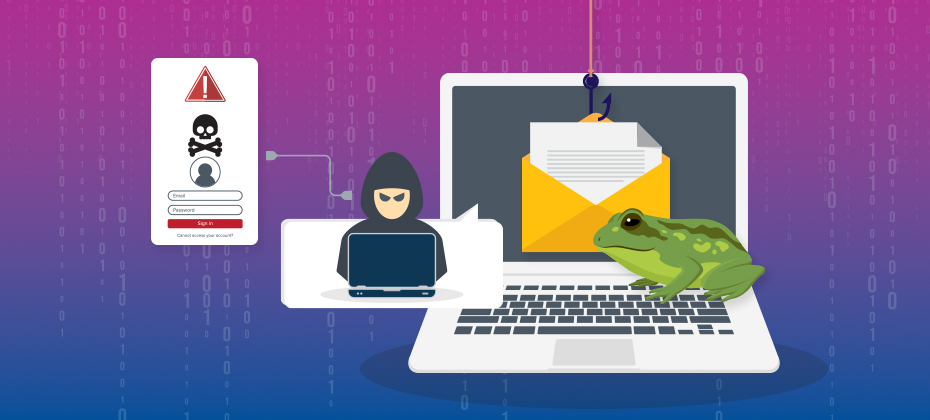
In this article...What is a TOAD attack?How TOAD attacks happenEffective countermeasures Keeping TOADS at bay with Experian Imagine receiving a phone call informing you that your antivirus software license is about to expire. You decide to renew it over the phone, and before you know it, you have been “TOAD-ed”! What is a TOAD attack? Telephone-Oriented Attack Deliveries (TOADs) are an increasingly common threat to businesses worldwide. According to Proofpoint's 2024 State of the Phish Report, 10 million TOAD attacks are made every month, and 67% of businesses globally were affected by a TOAD attack in 2023. In the UK alone, businesses have lost over £500 million to these scams, while in the United States the reported monetary loss averaged $43,000 per incident, with some losses exceeding $1 million.TOADs involve cybercriminals using real phone numbers to impersonate legitimate callers, tricking victims into divulging sensitive information or making fraudulent transactions. This type of attack can result in substantial financial losses and reputational damage for businesses. How TOAD attacks happen TOAD attacks often involve callback phishing, where victims are tricked into calling fake call centers. Before they strike, scammers will gather a victim's credentials from various sources, such as past data breaches, social media profiles, and information bought on the dark web. They will then contact the individual through applications like WhatsApp or call their phone directly. Here is a common TOAD attack example: Initial contact: The victim receives an email from what appears to be a reputable company, like Amazon or PayPal. Fake invoice: The email contains a fake invoice for a large purchase, prompting the recipient to call a customer service number. Deception: A scammer, posing as a customer service agent, convinces the victim to download malware disguised as a support tool, granting the scammer access to the victim's computer and personal information. These techniques keep improving. One of the cleverer tricks of TOADs is to spoof a number or email so they contact you as someone you know. Vishing is a type of phishing that uses phone calls, fake numbers, voice changers, texts, and social engineering to obtain sensitive information from users. It mainly relies on voice to fool users. (Smishing is another type of phishing that uses texts to fool users, and it can be combined with phone calls depending on how the attacker works.) According to Rogers Communication website, an employee in Toronto, Canada got an email asking them to call Apple to change a password. They followed the instructions, and a “specialist” helped them do it. After receiving their password, the cyber criminals used the employee's account to send emails and deceive colleagues into approving a fake payment of $5,000. Artificial intelligence (AI) is also making it easier for TOAD phishing attacks to happen. A few months ago, a Hong Kong executive was fooled into sending HK$200m of his company's funds to cyber criminals who impersonated senior officials in a deepfake video meeting. Effective countermeasures To combat TOAD attacks, businesses must implement robust solutions. Employee training and awareness: Regular training sessions and vishing simulations help employees recognize and respond to TOAD attacks. Authentication and verification protocols: Implementing multi-factor authentication (MFA) and call-back verification procedures enhances security for sensitive transactions. Technology solutions: Bots and spoofing detection and voice biometric authentication technologies help verify the identity of callers and block fraudulent numbers. Monitoring and analytics: Advanced fraud detection and behavioral analytics identify anomalies and unusual activities indicative of TOAD attacks. Secure communication channels: Ensure consumers have access to verified customer service numbers and promote secure messaging apps. A strong strategy should also involve using advanced email security solutions with AI fraud detection and machine learning (ML) to effectively defend against TOAD threats. These can help identify and stop phishing emails. Regular security audits and updates are necessary to find and fix vulnerabilities, and an incident response plan should be prepared to deal with and reduce any breaches. By integrating technology, processes, and people into their strategy, organizations can develop a strong defense against TOAD attacks. Keeping TOADS at bay with Experian® By working and exchanging information with other businesses and industry groups, you can gain useful knowledge about new or emerging threats and defense strategies. Governments and organizations like the Federal Communications Commission (FCC) have a shared duty to defend the private sector and public consumers from TOAD attacks, while many of the current rules and laws seem to lag behind what criminals are doing. By combining the best data with our automated ID verification processes, Experian® helps you protect your business and reputation. Our best-in-class solutions employ device recognition, behavioral biometrics, machine learning, and global fraud databases to spot and block suspicious activity before it becomes a problem. Learn more *This article includes content created by an AI language model and is intended to provide general information.

Experian’s award-winning platform now brings together market-leading data, generative AI and cutting-edge machine learning solutions for analytics, credit decisioning and fraud into a single interface — simplifying the deployment of analytical models and enabling businesses to optimize their practices. The platform updates represent a notable milestone, fueled by Experian’s significant investments in innovation over the last eight years as part of its modern cloud transformation. “The evolution of our platform reaffirms our commitment to drive innovation and empower businesses to thrive. Its capabilities are unmatched and represent a significant leap forward in lending technology, democratizing access to data in compliant ways while enabling lenders of all sizes to seamlessly validate their customers’ identities with confidence, help expand fair access to credit and offer awesome user and customer experiences,” said Alex Lintner CEO Experian Software Solutions. The enhanced Experian Ascend Platform dramatically reduces time to install and offers streamlined access to many of Experian's award-winning integrated solutions and tools through a single sign-on and a user-friendly dashboard. Leveraging generative AI, the platform makes it easy for organizations of varying sizes and experience levels to pivot between applications, automate processes, modernize operations and drive efficiency. In addition, existing clients can easily add new capabilities through the platform to enhance business outcomes. Read Press Release Learn More Check out Experian Ascend Platform in the media: Transforming Software for Credit, Fraud and Analytics with Experian Ascend Platform™ (Episode 160) Reshaping the Future of Financial Services with Experian Ascend Platform Introducing Experian’s Cloud-based Ascend Technology Platform with GenAI Integration 7 enhancements of Experian Ascend Platform

The world of finance can be a dangerous place, where cunning schemes lurk in the shadows, ready to pounce on unsuspecting victims. In the ever-evolving landscape of financial crime, the insidious ‘pig butchering’ scam has emerged as a significant threat, targeting both financial institutions and their clients. What is a ‘pig butchering’ scam? ‘Pig butchering’ scams are named after the practice of farmers fattening up their livestock before “butchering” them. This comparison describes the core of ‘pig butchering’ scams, where criminals entice victims to participate in investment schemes and cryptocurrency fraud. Originating in Southeast Asia and now rampant in the United States, these scams often start with online interactions via social media or dating applications. Scammers build trust with the victim, eventually gaining access to their online accounts. They "fatten the pig" by enticing more cryptocurrency investments and then make off with their ill-gotten gains. The repercussions are staggering, with reported losses exceeding $3.5 billion in 2023 alone according to an AP News article, and around 40,000 victims in the United States, including cases of losses as massive as $4 million. The real-life impact The story of “RB,” a San Francisco man who engaged with a scammer named "Janey Lee," serves as a stark warning. Through social media, Janey orchestrated an elaborate scheme, promising "RB” substantial returns in cryptocurrency investment. Seduced by false promises, “RB” emptied his life savings into the scam, only to be rescued by a Federal Bureau of Investigation (FBI) intervention, narrowly avoiding financial ruin.1 Malicious actors are improving their targeting skills, and often pursue executives and victims with a large sum of money, such as C-level officials from financial institutions. This past February, a $50 million pig slaughtering fraud incident caused the CEO of a local bank in Kansas to lose all his funds and the bank to collapse a few months later. FinCEN's vigilance and updates The Financial Crimes Enforcement Network (FinCEN) remains vigilant, issuing advisories to financial institutions to combat ‘pig butchering’ scams. Their latest advisory highlights evolving scam tactics, including aggressive promotions, using money mules for illegal fund transfers, and leveraging new financial products like decentralized finance (DeFi) platforms to obfuscate transactions. FinCEN also warns about red flags such as large and sudden investments from older customers, quick fund withdrawals after big deposits, and the frequent use of coins or mixers that hide transactions. Financial institutions are encouraged to: Report any suspicious activities by using specific terms like "pig butchering fraud advisory" in their reports to make analysis and response easier. File suspicious activity reports (SARs) using the key term “FIN-2023-PIGBUTCHERING.” Guide potential victims to report to the FBI’s IC3 or the Security and Exchange Commission (SEC’s) reporting system. A call to action for financial institutions The fight against ‘pig butchering’ scams requires proactive measures from financial institutions: Enhance fraud detection and anti-money laundering (AML) programs: Implement robust systems compliant with regulatory guidelines, conduct thorough customer enhanced due diligence, and leverage fraud detection software to spot anomalies and red flags., and leverage fraud detection software to spot anomalies and red flags. Leverage data analytics: Utilize data analytics tools to monitor customer behavior, identify irregular patterns, and swiftly detect potential ‘pig butchering’ activities. Employee training: Educate employees on scam risks, fraud detection techniques, and FinCEN red flags to empower them as the first line of defense., and FinCEN red flags to empower them as the first line of defense. Community education: Educate customers on recognizing and avoiding investment scams, promoting awareness, and safeguarding their assets. Navigating challenges with effective solutions ‘Pig butchering’ scams cause not only money losses but also personal troubles and reputational harm. Awareness, learning, and cooperation are essential in protecting from these complex financial fraudsters, securing the safety and confidence of your institutions and stakeholders. By combining the best data with our automated identification verification processes, you can protect your business and onboard new talents efficiently. Our industry-leading solutions employ device recognition, behavioral biometrics, machine learning, and global fraud databases to spot and block suspicious activity before it becomes a problem. Learn more 1San Francisco Chronical (2023). Crypto Texting Scam *This article includes content created by an AI language model and is intended to provide general information.

In a financial world that's increasingly connected and complex, monitoring transactions is not just good business practice — it's a regulatory necessity. Anti-money laundering (AML) transaction monitoring stands as a crucial barrier against financial crimes, which ensures the integrity of financial systems worldwide. For financial institutions, the challenges of AML compliance and the tools to meet them continue to evolve. In this blog post, we'll walk through the basics, best practices, and future of AML transaction monitoring. What is AML transaction monitoring? AML transaction monitoring refers to the systems and processes financial institutions use to detect and report potentially suspicious transactions to the Financial Crimes Enforcement Network (FinCEN) under the United States Department of Treasury, which spearheads the efforts to track financial crimes — money laundering and financing of criminal or terrorist activities. By continuously monitoring customer transactions and establishing patterns of behavior, suspicious activities can be identified for further investigation. The role of AML transaction monitoring AML transaction monitoring identifies potential criminal activities and helps maintain a clean and efficient financial ecosystem. By being proactive in preventing the misuse of services, organizations can protect their reputation, strengthen customer trust, and uphold regulatory requirements. The challenge of false positives However, AML compliance is not without challenges. The systems in place often produce many 'false positives', transactions identified as potentially suspicious that, after investigation, turn out to be mundane. These false alarms can overwhelm compliance departments, leading to inefficiency and potentially missing real red flags. Why is AML transaction monitoring important? Understanding the importance of AML transaction monitoring requires a broader look at the implications of financial crimes. Money laundering often supports other serious crimes such as drug trafficking, fraud, and even terrorism. The ability to interrupt the flow of illicit funds also disrupts these additional criminal networks. Furthermore, for organizations, the cost of non-compliance can be substantial — financially and reputationally. Penalties for inadequate AML controls can be hefty, signaling the need for robust monitoring systems. Specifics on compliance Compliance with AML regulations is not a choice but a must. Financial institutions are required to comply with AML laws and regulations to protect their businesses and the industry as a whole. This includes understanding and adhering to regulation changes, which can be complex and have significant operational impacts. How does AML transaction monitoring work? There are two main approaches to transaction monitoring: Rule-based systems: These rely on pre-defined rules that flag transactions exceeding certain thresholds, originating from high-risk countries, or involving specific types of activities. Scenario-based systems: These use more sophisticated algorithms to analyze transaction patterns and identify anomalies that might not be captured by simple rules. This can include analyzing customer behavior, source of funds, and the purpose of transactions. Most organizations use a combination of both approaches. Transaction monitoring software is a valuable tool, but it's important to remember that it's not a foolproof solution. Human analysis is still essential to investigate flagged transactions and determine if they are truly suspicious. Implementing AML transaction monitoring solutions Implementing a robust AML transaction monitoring system requires the right technology and the right strategy. Beyond the software, it's about embedding a culture of compliance within the organization. Choosing the right AML solution The right AML solution should be based on the specific needs of the institution, the complexity of its operations, and the sophistication of the fraud landscape it faces. It's imperative to pick a solution that is agile, scalable, and integrates seamlessly with existing systems. Leveraging KYC and CIP programs Know your customer (KYC) and customer identification program (CIP) are deeply connected to transaction monitoring. Implementing a robust KYC program helps to establish a strong customer identity, whereas a solid CIP ensures that essential customer information is verified at the time of account opening. Automation and AI in AML compliance Automation and AI are revolutionizing AML compliance, especially in transaction monitoring. AI systems, with their ability to learn and evolve, can significantly reduce false positives, making the compliance process more efficient and effective. Advanced AML solutions and the future Technological advancements are constantly reshaping the AML landscape, including solutions incorporating big data analysis and machine learning. Utilizing big data for better insights: Big data analytics provides an unprecedented ability to spot potential money laundering by analyzing vast amounts of transactional data, allowing for better contextual understanding and the ability to identify patterns of suspicious activity. Machine learning and predictive analytics: Machine learning technologies have the potential to refine transaction monitoring by continuously learning new behaviors and adapting to evolving threats. Predictive analytics can help in identifying potential risks well in advance and taking pre-emptive actions. The human element in AML Despite the advancing technology, the human element remains crucial. AML systems are only as good as the people who operate them. Organizations must invest in: Continuous training and skill development: Continuous training ensures that employees remain updated on regulations, compliance techniques, and the latest tools. Developing a team with AML expertise is an investment in the institution's security and success. Cultivating a compliance culture: Cultivating a corporate culture that values compliance is vital. From the highest levels of management to front-line staff, a mindset that embraces the duty to protect against financial crime is a powerful asset in maintaining an effective AML program. How we can help As a leader in fraud prevention and identity verification, Experian’s AML solutions can help you increase the effectiveness of your AML program to efficiently comply with federal and international AML regulations while safeguarding your organization from financial crime. We provide data, models, and automated systems and processes to monitor, detect, investigate, document and report potential money laundering activities across the entire customer lifecycle. Learn more about Experian’s AML solutions *This article includes content created by an AI language model and is intended to provide general information.

Financial institutions have long relied on anti-money laundering (AML) and anti-fraud systems to protect themselves and their customers. These departments and systems have historically operated in siloes, but that’s no longer best practice. Now, a new framework that integrates fraud and AML, or FRAML, is taking hold as financial institutions see the value of sharing resources to fight fraud and other financial crimes. You don’t need to keep them separated For fraudsters, fraud and money laundering go hand-in-hand. By definition, someone opening an account and laundering money is committing a crime. The laundered funds are also often from illegal activity — otherwise, they wouldn’t need to be laundered. For financial institutions, different departments have historically owned AML and anti-fraud programs. In part, because AML and fraud prevention have different goals: AML is about staying compliant: AML is often owned by an organization’s compliance department, which ensures the proper processes and reporting are in place to comply with relevant regulations. Fraud is about avoiding losses: The fraud department identifies and stops fraudulent activity to help protect the organization from reputational harm and fraud losses. As fraudsters’ operations become more complex, the traditional separation of the two departments may be doing more harm than good. Common areas of focus There has always been some overlap in AML and fraud prevention. After all, an AML program can stop criminals from opening or using accounts that could lead to fraud losses. And fraud departments might stop suspicious activity that’s a criminal placing or layering funds. While AML and fraud both involve ongoing account monitoring, let’s take a closer look at similarities during the account creation: Verifying identities: Financial institutions’ AML programs must include know your customer (KYC) procedures and a Customer Identification Program (CIP). Being able to verify the identity of a new customer can be important for tracing transactions back to an individual or entity later. Similarly, fraud departments want to be sure there aren’t any red flags when opening a new account, such as a connection between the person or entity and previous fraudulent activity. Preventing synthetic identity fraud: Criminals may try to use synthetic identities to avoid triggering AML or fraud checks. Synthetic identity fraud has been a growing problem, but the latest solutions and tools can help financial institutions stop synthetic identity fraud across the customer lifecycle. Detecting money mules: Some criminals recruit money mules rather than using their own identity or creating a synthetic identity. The mules are paid to use their legitimate bank account to accept and transfer funds on behalf of the criminal. In some cases, the mule is an unwitting victim of a scam and an accomplice in money laundering. Although the exact requirements, tools, processes, and reports for AML and fraud differ, there’s certainly one commonality — identify and stop bad actors. Interactive infographic: Building a multilayered fraud and identity strategy The win-win of the FRAML approach Aligning AML and fraud could lead to cost savings and benefits for the organization and its customers in many ways. Save on IT costs: Fraud and AML teams may benefit from similar types of advanced analytics for detecting suspicious activity. In 2023, around 60 percent of businesses were using or trying to use machine learning (ML) in their fraud strategies, but a quarter said cost was impeding implementation.1 If fraud and AML can share IT resources and assets, they might be able to better afford the latest ML and AI solutions. Avoid duplicate work: Cost savings can also happen if you can avoid having separate AML and fraud investigations into the same case. The diverse backgrounds and approaches to investigations may also lead to more efficient and successful outcomes. Get a holistic view of customers: Sharing information about customers and accounts also might help you more accurately assess risk and identify fraud groups. Improve your customer experience: Shared data can also reduce customer outreach for identity or transaction verifications. Creating a single view of each account or customer can also improve customer onboarding and account monitoring, leading to fewer false positives and a better customer experience. Some financial institutions have implemented collaboration with the creation of a new team, sometimes called the financial crimes unit (FCU). Others may keep the departments separate but develop systems for sharing data and resources. Watch the webinar: Fraud and identity challenges for Fintechs How Experian can help Creating new systems and changing company culture doesn’t happen overnight, but the shift toward collaboration may be one of the big trends in AML and fraud for 2024. As a leader in identity verification and fraud prevention, Experian can offer the tools and strategies that organizations need to update their AML and fraud processes across the entire customer lifecycle. CrossCore® is our integrated digital identity and fraud risk platform which enables organizations to connect, access, and orchestrate decisions that leverage multiple data sources and services. CrossCore cloud platform combines risk-based authentication, identity proofing and fraud detection, which enables organizations to streamline processes and quickly respond to an ever-changing environment. In its 2023 Fraud Reduction Intelligence Platforms (FRIP), Kuppinger Cole wrote, “Once again, Experian is a Leader in Fraud Reduction Intelligence Platforms. Any organizations looking for a full-featured FRIP service with global support should consider Experian CrossCore.” Learn more about Experian’s AML and fraud solutions. 1. Experian (2023). Experian's 2023 Identity and Fraud Report

Know Your Customer (KYC) procedures are a requirement for banks and other financial institutions to collect and verify the identity of their customers. When a bank verifies the identity of another organization or its owners, the process may be called Know Your Business (KYB) instead. As part of banks’ anti-money laundering (AML) programs, KYC can help stop corruption, money laundering and terrorist financing. Creating and maintaining KYC programs is also important for regulatory compliance, reputation management and fraud prevention. READ: How to Build a Know Your Customer Checklist – Everything You Need to Know The three components of KYC programs Banks can largely determine how to set up their KYC and AML programs within the applicable regulatory guidelines. In the United States, KYC needs to happen when banks initially onboard a new customer. But it’s not a one-and-done event—ongoing customer and transaction monitoring is also important. Customer Identification Program (CIP) Creating a robust Customer Identification Program (CIP) is an essential part of KYC. At a minimum, a bank’s CIP requires it to collect the following information from new customers: Name Date of birth Address Identification number, such as a Social Security number (SSN) or Employer Identification Number (EIN) Banks' CIPs also have to use risk-based procedures to verify customers’ identities and form a reasonable belief that they know the customer's true identity.1 This might involve comparing the information from the application to the customer’s government-issued ID, other identifying documents and authoritative data sources, such as credit bureau databases. Additionally, the bank's CIP will govern how the bank: Retains the customer’s identifying information Compares customer to government lists Provides customers with adequate notices Banks can create CIPs that meet all the requirements in various ways, and many use third-party solutions to quickly collect data, detect forged or falsified documents and verify the provided information. INFOGRAPHIC: Streamlining the Digital Onboarding Process: Beating Fraud at its Game Customer due diligence (CDD) CIP and CDD overlap, but the CIP primarily verifies a customer’s identity while customer due diligence (CDD) helps banks understand the risk that each customer poses. To do this, banks try to understand what various types of customers do, what those customers’ normal banking activity looks like, and in contrast, what could be unusual or suspicious activity. Financial institutions can use risk ratings and scores to evaluate customers and then use simplified, standard or enhanced due diligence (EDD) processes based on the results. For example, customers who might pose a greater risk of laundering money or financing terrorism may need to undergo additional screenings and clarify the source of their funds. Ongoing monitoring Ongoing or continuous monitoring of customers’ identities and transactions is also important for staying compliant with AML regulations and stopping fraud. The monitoring can help banks spot a significant change in the identity of the customer, beneficial owner or account, which may require a new KYC check. Unusual transactions can also be a sign of money laundering or fraud, and they may require the bank to file a suspicious activity report (SAR). Why is KYC important in banking? Understanding and implementing KYC processes can be important for several reasons: Regulatory compliance: Although the specific laws and rules can vary by country or region, many banks are required to have AML procedures, including KYC. The fines for violating AML regulations can be in the hundreds of millions— a few banks have been fined over $1 billion for lax AML enforcement and sanctions breaching. Reputation management: In some cases, enforcement actions and fines were headline news. Banks that don’t have robust KYC procedures in place risk losing their customers' trust and respect. Fraud prevention: In addition to the regulatory requirements, KYC policies and systems can also work alongside fraud management solutions for banks. Identity verification at onboarding can help banks identify synthetic identities attempting to open money mule accounts or take out loans. Ongoing monitoring can also be important for identifying long-term fraud schemes and large fraud rings. ON-DEMAND WEBINAR: Fraud Strategies for a Positive Customer Experience KYC in a digital-first world Many financial institutions have been going through digital transformations. Part of that journey is updating the systems and tools in place to meet the expectations of customers and regulators. An Experian survey found that about half of consumers (51 percent) consider abandoning the creation of a new account because of friction or a less-than-positive experience — that increased to 69 percent for high-income households.2 The survey wasn’t specific to financial services, but friction could be a problem for banks wanting to attract new account holders. Just as access to additional data sources and machine learning help automate underwriting, financial institutions can use technological advances to add an appropriate amount of friction based on various risk signals. Some of these can be run in the background, such as an electronic Consent Based Social Security Number Verification (eCBSV) check to verify the customer’s name, SSN and date of birth match the Social Security Administration’s records. Others may require more customer involvement, such as taking a selfie that’s then compared to the image on their photo ID — Experian CrossCore® Doc Capture enables this type of verification. Experian is a leader in identity and data management Experian's identity verification solutions use proprietary and third-party data to help banks manage their KYC procedures, including identity verification and Customer Identification Programs. By bundling identity verification with fraud assessment, banks can stop fraudsters while quickly resolving identity discrepancies. The automated processes also allow you to offer a low-friction identity verification experience and use step-up authentications as needed. Learn more about Experian’s identity solutions. 1FDIC (2021). Customer Identification Program 2Experian (2023). Experian's 2023 Identity and Fraud Report