At first glance, Laura Lady’s storied career in toy marketing might not suggest her foray into tackling pressing environmental challenges. However, her Founder’s journey is a testament to her passion and versatility.
Dinner Conversation Spawned Idea
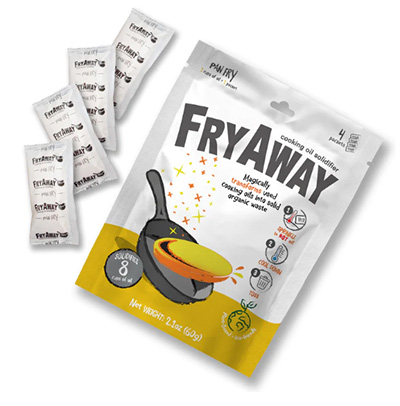
One evening, amidst the laughter and camaraderie of a dinner party, the topic shifted to the then-recent discovery of a ‘fatberg’ in East London’s sewers. This enormous mass, equivalent in size to two London double-decker buses, was a clogged accumulation of fat and waste. Though the term ‘fatberg’ was new to Laura, it sparked her curiosity, leading her down a research rabbit hole. She soon found that such blockages resulted from careless waste disposal, especially the pouring of oils down drains. This not only created blockages but often caused sewer overflows, contaminating waterways.
The challenge became more personal for Laura during the COVID-19 pandemic. While cooking at a farmhouse on septic, she was confronted with the dilemma of disposing of used cooking oil. The uncertainty of the pandemic made traditional recycling options less accessible. This was the catalyst for Laura, prompting her to think: “There really has to be a better way.”
With a series of kitchen experiments, Laura began to create a solution that was both user-friendly and good for the environment. When she felt confident about her product, the next hurdle was production during a global pandemic. Her decision to move her family out of the city to a rural setting came with the benefit of a large 2-car garage, perfect for a small home-based manufacturing plant where Laura ran small batches of her invention and gauging product viability.
Environmental Leap of Faith
Starting FryAway didn’t come without risk. But in Laura’s case, the risks were calculated, leaving a prestigious role at Lego and relocating her family back to the U.S. Laura was able to develop FryAway while consulting for foreign toy companies entering the U.S. market. The beauty of her entrepreneurial journey was the freedom it accorded her, especially in choosing who to work with and setting the tone for her company.
For Laura Lady, owning her business provides a unique blend of flexibility and purpose. It allows her to strike a balance between family, personal time, and business, while also addressing a significant environmental issue. With FryAway, Laura Lady has once again shown her knack for transformation – this time, turning used oil into a solution rather than an environmental problem.
More Founder’s Narrative Stories:
Related Posts
National Small Business Week is a time to recognize the entrepreneurs who power our economy—and to provide the resources they need to grow with confidence. One of the most important yet often overlooked resources for business growth is business credit. Many small business owners focus primarily on personal credit or wait until they need financing to think about their business credit profile. But establishing and managing business credit proactively can help unlock funding opportunities, strengthen supplier relationships, and improve financial flexibility. To help business owners better understand the role of business credit in growth and financing, Experian partnered with SCORE for a special National Small Business Week webinar. If you missed the live session, the recording is now available on demand. Here are a few outtakes from the webinar. Who can see what is on my business credit report? How guaranteeing a business loan affects personal credit report How do I build credit for my small business? Watch the Recording: Business Credit 101: Build Credit, Access Funding, and Grow Your Business Watch the Webinar Recording Why Business Credit Matters What You’ll Learn In this recorded session, Experian’s Veronica Herrera explains the fundamentals of business credit and shares practical guidance that business owners can apply immediately. Key topics include: Understanding the difference between a business credit profile and a business credit score How business credit differs from personal credit—and why lenders may review both Steps to establish and build business credit Using trade relationships and payment history to strengthen your credit profile Managing credit utilization and understanding its impact on business credit scores Monitoring your business credit and preparing for financing opportunities Who Should Watch This webinar recording is valuable for: New business owners looking to establish business credit from the start Established businesses seeking to strengthen their credit profile Entrepreneurs preparing to apply for financing, lines of credit, or other funding solutions Advisors and business professionals who support small business growth Access the Recording Today Whether you’re just starting to build business credit or looking to improve your existing profile, understanding how business credit works can help you make more informed financial decisions. Watch the on-demand webinar to learn practical strategies for building stronger business credit and positioning your business for future growth. Watch Recording
Let’s break down what lenders look for, why women-owned businesses are sometimes declined, and how to prepare strategically
Learn how women-owned construction businesses can build stronger credit profiles, improve financing access, increase bonding capacity, and protect personal assets.