
Does Upgrading Your Credit Card Hurt Your Score?

Quick Answer
Upgrading your credit card won’t typically hurt your credit score because it doesn’t usually require a hard credit inquiry, and it doesn’t create a new credit account.

If you've outgrown your current credit card, you could ask your card issuer to upgrade it or apply for a new one. Upgrading your credit card generally won't hurt your credit, while a new application can cause a slight, temporary decrease in your score. Here's what you need to know about how upgrading your card may affect your credit score, the pros and cons of an upgrade and when applying for a new one might be a better choice.
Does a Credit Card Upgrade Hurt My Credit Score?
Upgrading your credit card doesn't typically hurt your credit score. Replacing your current card with a new one from the same issuer is known as a product change, and the account history from your existing card transfers to the new card. You'll usually maintain the same credit card number, account number and credit limit. Product changes don't usually require a credit check that causes a hard credit inquiry to appear on your credit report, so upgrading your card is unlikely to affect your credit score.
Once the change is complete, you can begin using your new card. You'll get all the perks and benefits the new card offers. However, you'll no longer receive benefits the previous card provided—unless your new card also provides the benefits in question, that is.
Best credit cards of 2026
Compare cards from our partners with intro bonuses, cash back or points offers, and annual fees as low as $0.
Offers from our partners
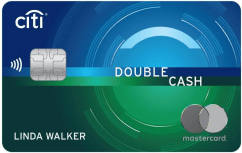
Citi Double Cash® Card
Intro APR:0% for 18 months on Balance Transfers
Ongoing APR:18.49% - 28.74% (Variable)
Annual Fee:$0
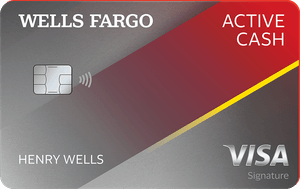
Wells Fargo Active Cash® Card
Intro APR:0% intro APR for 12 months from account opening on purchases and qualifying balance transfers
Ongoing APR:18.74%, 24.74%, or 28.74% Variable APR
Annual Fee:$0
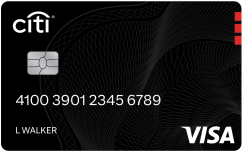
Costco Anywhere Visa® Card by Citi
Ongoing APR:18.99% - 26.99% (Variable)
Annual Fee:$0
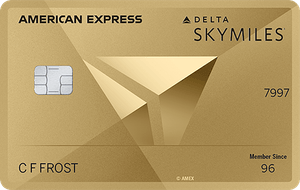
Delta SkyMiles® Gold American Express Card
Ongoing APR:19.74%-28.74% Variable
Annual Fee:$0 introductory annual fee for the first year, then $150.
PREMIER Bankcard® Mastercard® Credit Card
Ongoing APR:See Rates & Fees
Annual Fee:See Rates & Fees

Ollo Everyday Rewards
Ongoing APR:23.99%-29.99% Variable
Annual Fee:$0

Avant® Cashback Rewards Mastercard®
Ongoing APR:35.99%*
Annual Fee:$75*
Bank of America® Premium Rewards® credit card
Ongoing APR:19.49% - 27.49% Variable
Annual Fee:$95
See all our best credit cards for 2026.
Pros and Cons of Upgrading Your Credit Card
There can be many reasons to upgrade your card. For example, if you've built a solid credit history with a secured card, it may be time to upgrade to an unsecured version. Or maybe you applied for your current card when you couldn't qualify for a rewards credit card. Now that you've improved your credit score, you're ready to start earning rewards on purchases you make every day.
Whatever the reason, there are pros and cons to consider before deciding whether a credit card upgrade is right for you.
Pros:
- Rewards potential: If your current card doesn't offer rewards, you may want to upgrade to one that does. Or maybe you want to trade in your current rewards card for one with a structure that better aligns with your spending and lifestyle habits.
- Credit inquiry: There are two types of credit inquiries—soft credit inquiries and hard credit inquiries. Soft inquiries don't affect your credit scores, but you may see a temporary negative effect with a hard inquiry. Most product changes don't require a hard credit pull.
- Age of credit history: The length of your credit history is one of the factors used to calculate your credit score. The longer you've managed credit, the better. Opening new accounts can reduce the average age of your credit accounts. Because upgrading your credit card doesn't create a new account, the age of your credit history won't be affected.
Cons:
- Bonus availability: Some rewards cards offer welcome bonuses for cardholders who spend a certain dollar amount within a specific time after opening the account. If you upgrade your card, you may not qualify.
- Annual fee: If you upgrade to a premium credit card that charges an annual fee, the fee can offset the rewards you earn.
- Introductory offers: Some cards offer special low or introductory 0% APR financing that you may not be eligible for when you upgrade.
When to Apply for a New Credit Card
Upgrading your current card has its perks. But applying for a new card may make sense if you want to take advantage of introductory financing or bonus offers. You may also want to apply for a new card from a different issuer if you find a product that's a better fit than anything your current card issuer offers. If you choose to apply for a new card, here are a few things to keep in mind:
- It will generate a hard credit inquiry. Hard credit pulls usually result in a slight dip in your credit score, but the effect is typically temporary. If you plan to apply for a loan to finance a large purchase, such as a house or car, consider thinking twice about applying for new credit until after the new loan is issued.
- The average age of your accounts will be lower. Credit scoring formulas include the age of your credit history when calculating scores. Having a longer history can help improve your score. Opening a new account will decrease the average age of your credit accounts.
- It may improve your credit utilization ratio. The amount of credit you use compared to the amount you have available is known as your credit utilization ratio. Depending on the model, it makes up 20% to 30% of your credit score, and experts typically recommend keeping your ratio below 30%. Adding another credit card to your wallet can increase your available credit and reduce your utilization—as long as you don't increase your spending.
The Bottom Line
Whether upgrading your existing card or applying for a new one is best for you depends on your individual situation. You can find out if you're eligible for an upgrade by contacting your credit card issuer to learn about payment history, credit and other requirements. If you decide applying for a new card is your best option, check your credit report and credit score for free to make sure the information in your credit history is accurate and determine how likely it is that you'll be approved.
Don’t apply blindly
Apply for credit cards confidently with personalized offers based on your credit profile. Get started with your FICO® Score for free.
See your offers
About the author

Jennifer Brozic
Jennifer Brozic is a freelance content marketing writer specializing in personal finance topics, including building credit, personal loans, auto loans, credit cards, mortgages, budgeting, insurance, retirement planning and more.
Read more from Jennifer