
 Edited by Peggy Bennett
How to Get a Credit-Builder Loan
Edited by Peggy Bennett
Quick Answer
To get a credit-builder loan, first explore potential lenders and determine a loan amount you can manage. Then, gather what you need to apply, review loan terms and submit your application. Finally, make on-time payments to benefit your credit scores.

Credit-builder loans are unique—and different from traditional loans. You don't need good credit to get one, and they allow you to build a credit history of on-time payments without the risk of running up debt. Instead, at the end of the loan term, you'll have access to the money you paid toward the loan in the form of a savings account.
Credit-builder loans are typically available from credit unions, small banks and online lenders. You can get a credit-builder loan by identifying potential lenders, gathering the information needed to apply, understanding the loan's terms and submitting an application.
A credit-builder loan is a possible addition to your financial toolkit, and applying for one is a relatively seamless process. Follow these steps to get a credit-builder loan.
1. Understand the Ins and Outs of Credit-Builder Loans
As with any credit product, it's key to understand exactly how credit-builder loans work before you apply for one.
When you take out a credit-builder loan, the lender deposits the loan funds into a savings account for you while you make monthly payments on the loan. During that payment period, the lender reports your payment history to one or more credit bureaus, helping you build credit history. Once you make all the payments, the lender then returns the balance to you, potentially including dividends but minus any fees you paid.
The longer the loan term, the more you'll pay in interest. However, you may decide that a longer term is worth it because you'll have a more affordable monthly payment.
2. Explore Potential Lenders
If you decide to go ahead with a credit-builder loan, take a look at the loan options available to you. If you're already a member of a credit union, explore whether it offers credit-builder loans. Credit unions typically have lower interest rates on loans than banks do, according to the National Credit Union Administration.
It may be worthwhile to join a credit union if you're not already a member. Look in your area, or online, for one that offers strong credit-builder loan terms, such as low interest rates and fees. Community banks in your region may also have loan options. Online lenders also offer credit-builder loans, but credit union loan terms are the ones to beat.
Tip: As you're researching lenders, make sure the ones you're considering report to all three national consumer credit bureaus (Experian, TransUnion and Equifax). Getting a loan from a lender that reports to all three—and not all do—will go the furthest to help you build credit.
3. Choose a Loan Amount You Can Manage
The goal of a credit-builder loan is to build credit history, so prioritize getting a loan with payments you know you can afford each month. Particularly if you already have debt you're paying off, such as a mortgage, student loan or car loan, it's key to ensure a credit-builder loan payment won't put too much stress on your budget.
Credit-builder loans typically range from $300 to $1,000 with payments that stretch over six to 24 months, according to the Consumer Financial Protection Bureau. But higher loan amounts are possible.
Be aware: Credit-builder loans charge interest, which will add to your monthly payment. Many credit unions return at least a portion of that interest, which they call dividends, at the end of the loan term.
Learn more: Ways to Build Credit if You Have No Credit History
4. Gather What You Need to Apply
Credit-builder loans are designed for people seeking to improve their credit or start a credit file from scratch, so you don't need good credit to get one. Many lenders say, in fact, that everyone is approved. But you'll likely be required to provide information about your income, employment status and bank balances in order to start the loan process.
Before completing an application, spend a few minutes gathering the information and documents you'll need. Each lender will have its own application criteria, but providing the following is typically necessary:
- Pay stubs, tax returns or other proof of income
- Employer information
- Current bank balances and value of assets you own, such as a home
- Current housing, loan, credit card and child support payments
- Photo ID
- Proof that you meet specific requirements—which range from lender to lender—such as working at your current job for at least six months or not being in active bankruptcy
5. Understand the Terms and Conditions
Along with confirming the monthly payment you'll be required to make, check for additional fees, including application and processing fees. Also, see if there's a minimum initial deposit.
Be sure to find out how the lender will treat any interest you've paid, and whether it will be returned to you at the end of the loan term.
Learn more: Which Loan Is Best for Building Credit?
6. Submit the Application
Once you've entered all the information required and uploaded or provided any supporting documentation, submit your application. The lender will let you know if it needs any additional details.
Some lenders accept all applicants for a credit-builder loan, while others have specific criteria. If one lender rejects your application, ask why and try again with another.
7. Start Making Payments
Once your loan is in place, you can start making monthly payments. For the credit-builder loan to work as designed, it's essential that you make all of your payments on time. Payment history is the most important factor in your credit scores; miss just one payment, and your credit could suffer.
Tip: Set yourself up for success by signing up for autopay. That way, your monthly payment will come directly out of your bank account. Just be sure to monitor the funds in your bank to make sure the payment clears.
8. Consider Additional Ways to Build Credit
A credit-builder loan is one tool for establishing and building a credit history. Consider additional strategies to round out your approach. You can:
- Apply for a secured credit card. A secured credit card requires a deposit that typically becomes your credit limit. This allows you to establish good credit habits—making purchases with the card and paying them off on time—while giving lenders a low-risk way to help you do so.
- Become an authorized user. If you have a financially responsible friend or relative with good credit, ask them to add you as an authorized user to their credit card account. The account's payment history will then appear on your credit report, which could boost your score if the primary cardholder keeps the balance low and pays their bill on time every month.
- Get a cosigner on a loan. A cosigner is a creditworthy person who helps you qualify for a loan or get better terms than you would on your own. You can use a cosigner when applying for a private student loan or car loan, for example, and make on-time payments on that loan, thereby building your credit history.
- Use Experian Boost®ø. Your credit may improve when you add a wider range on-time payments to your credit file. Experian Boost is a tool that lets you add eligible rent, streaming service, cellphone, utility and insurance payments to your Experian credit report, which could give your FICO® ScoreΘ a lift.
Instantly raise your credit scoresø
Add any bank accounts you use to pay your bills. Your information remains private.
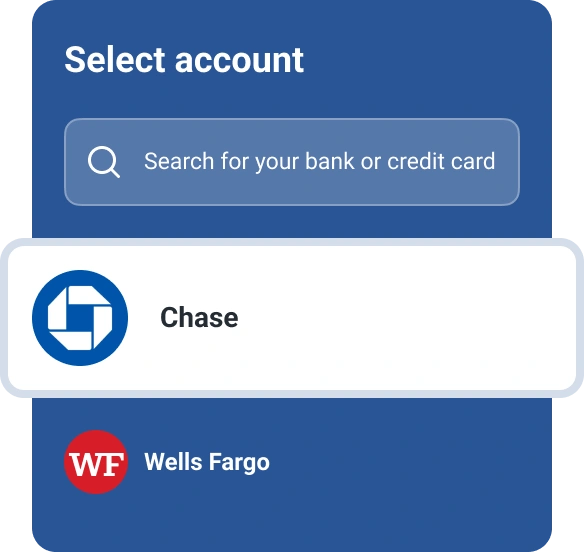
We’ll detect bills with on-time payments, and you can add them to your Experian credit file.
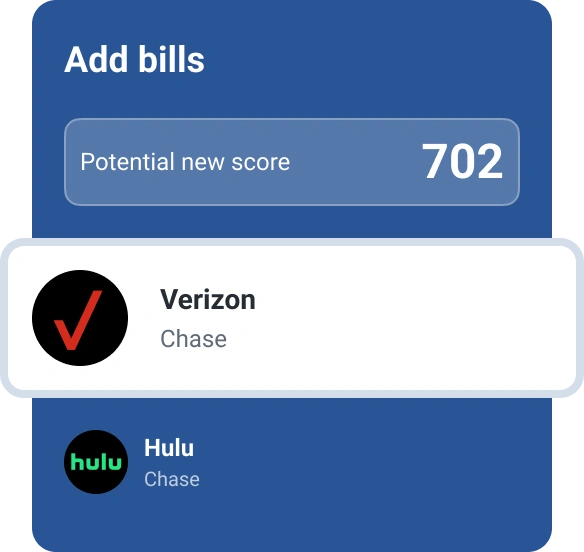
You’ll find out right away if your credit scores increased and by how many points.

Learn more: Tips to Improve Credit
The Bottom Line
Credit-builder loans are a tool to consider for building credit. But like any loan you're interested in, it's key to understand how they work and what the costs are so you're not surprised by interest charges or fees.
If you're new to credit, using Experian Go™ can give you personalized, step-by-step guidance on how to build a credit file and improve your credit over time. Tracking your credit score is crucial so that you can make financial choices that prioritize protecting and strengthening your credit.
Instantly raise your FICO® Score for free
Use Experian Boost® to get credit for the bills you already pay like utilities, mobile phone, video streaming services and now rent.
No credit card required

About the author

Brianna McGurran
Brianna McGurran is a freelance journalist and writing teacher based in Brooklyn, New York. Most recently, she was a staff writer and spokesperson at the personal finance website NerdWallet, where she wrote "Ask Brianna," a financial advice column syndicated by the Associated Press.
Read more from Brianna