
 Edited by Michelle Tipsword
What Is a Credit Card Balance?
Edited by Michelle Tipsword
Quick Answer
A credit card balance is the amount you owe on your card at a given time. Learn how credit card balances work, how your statement and current balances differ, how balances affect your credit score and smart ways to manage credit card payments.

A credit card balance is the total amount of money you owe the credit card company at any given time. This differs from your statement balance, which is the amount you owe at the end of a billing cycle, or your minimum monthly payment, which is the smallest amount you can pay and keep your account in good standing.
Learn how your credit card balance works, how it can impact your credit score and the best way to manage your credit card payments.
How Do Credit Card Balances Work?
When you use your credit card to make a purchase, the purchase amount is added to your credit card balance. At first, these purchases may show up as pending transactions, meaning they're approved but haven't yet posted to your account.
Example: Pending transactions don't appear in your statement balance, but they can affect your available credit. For instance, suppose you have a credit card with a $1,000 limit and $500 in pending transactions. If you try to make a $600 purchase, it might be declined because you only have $500 in available credit left.
Once transactions are posted, they'll appear in your statement balance. At the end of each month's billing cycle, you'll get a credit card statement showing the balance you owe for that period. This includes any purchases, balance transfers, refunds and payments that were posted to your account during the billing cycle.
If your credit card has a grace period, it typically lasts for about 30 days between your statement end date and your payment due date. During the grace period, no interest accrues on the statement balance. If you aren't carrying a balance from the previous billing cycle, you can generally avoid interest by paying the statement balance in full by the due date.
You can also pay just part of your statement balance and revolve, or carry over, the rest. The revolving balance starts accruing interest. Many credit card issuers calculate interest daily using your average daily balance. Compounding interest means unpaid balances can grow quickly.
Learn more: Credit Card Terms You Should Know
Best credit cards of 2026
Compare cards from our partners with intro bonuses, cash back or points offers, and annual fees as low as $0.
Offers from our partners
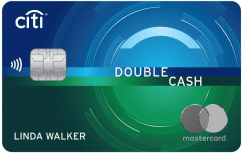
Citi Double Cash® Card
Intro APR:0% for 18 months on Balance Transfers
Ongoing APR:17.49% - 27.49% (Variable)
Rewards:2% (cash back)
Annual Fee:$0

Blue Cash Everyday® Card from American Express
Intro bonus:As High As $200 Cash Back. Find Out Your Offer.
Intro APR:0% on Purchases and Balance Transfers for 15 months
Ongoing APR:19.49%-28.49% Variable
Rewards:1% - 3% (cash back)
Annual Fee:$0
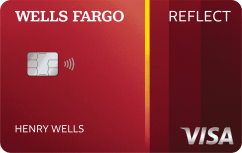
Wells Fargo Reflect® Card
Intro APR:0% intro APR for 21 months from account opening on purchases and qualifying balance transfers
Ongoing APR:17.49%, 23.99%, or 28.24% Variable APR
Rewards:N/A*
Annual Fee:$0
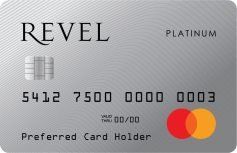
Revel® Platinum Mastercard®
Ongoing APR:35.90% Fixed
Rewards:N/A*
Annual Fee:$75 - $125

Citi® Diamond Preferred® Card
Intro APR:0% for 21 months on Balance Transfers and 12 months on Purchases
Ongoing APR:16.49% - 27.24% (Variable)
Rewards:N/A*
Annual Fee:$0
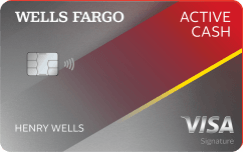
Wells Fargo Active Cash® Card
Intro bonus:$200
Intro APR:0% intro APR for 12 months from account opening on purchases and qualifying balance transfers
Ongoing APR:18.49%, 24.49%, or 28.49% Variable APR
Rewards:2% (Cash Rewards)
Annual Fee:$0

Discover it® Cash Back
Intro bonus:Cashback Match™
Intro APR:0% intro APR for 15 months on Purchases and Balance Transfers
Ongoing APR:17.49% - 26.49% Variable APR
Rewards:1% - 5% (cash back)
Annual Fee:$0

Avant® Cashback Rewards Mastercard®
Ongoing APR:29.99%*
Rewards:2% (cash back)
Annual Fee:$0*

The opensky® Secured Visa® Credit Card
Ongoing APR:23.89% Variable
Rewards:10% (cash back)
Annual Fee:$35

Credit One Bank American Express® Card for Rebuilding Credit
Ongoing APR:29.74% Variable
Rewards:1% (cash back)
Annual Fee:$75 First year. $99 thereafter, billed monthly at $8.25
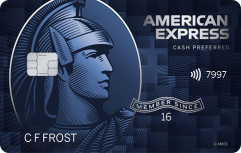
Blue Cash Preferred® Card from American Express
Intro bonus:As High As $300 Cash Back. Find Out Your Offer.
Intro APR:0% on Purchases and Balance Transfers for 12 months
Ongoing APR:19.49%-28.49% Variable
Rewards:1% - 6% (cash back)
Annual Fee:$0 intro annual fee for the first year, then $95.

Avant® Mastercard®
Ongoing APR:35.99%*
Rewards:N/A*
Annual Fee:$0*

Credit One Bank® Secured Card
Ongoing APR:29.74% Variable
Rewards:1% (cash back)
Annual Fee:$0
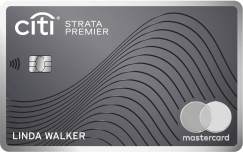
Citi Strata Premier® Card
Intro bonus:60,000 Points
Ongoing APR:19.49% - 27.49% (Variable)
Rewards:1x - 10x (Points per dollar)
Annual Fee:$95
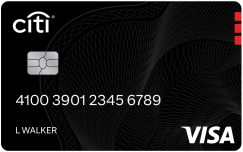
Costco Anywhere Visa® Card by Citi
Ongoing APR:18.74% - 26.74% (Variable)
Rewards:1% - 5% (cash back)
Annual Fee:$0

Avant® Cashback Rewards Mastercard®
Ongoing APR:35.99%*
Rewards:1% (cash back)
Annual Fee:$75*
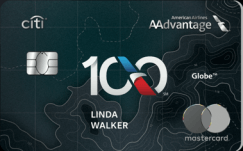
Citi® / AAdvantage® Globe™ Mastercard®
Ongoing APR:19.49% - 29.49% (Variable)
Rewards:1x - 6x (Miles per dollar)
Annual Fee:$350

Avant® Cashback Rewards Mastercard®
Ongoing APR:35.99%*
Rewards:1% (cash back)
Annual Fee:Introductory fee of $75 for the first year. After that, $99 annually.*

Credit One Bank® Platinum X5 Visa® Metal Card
Ongoing APR:29.74% Variable
Rewards:1% - 5% (cash back)
Annual Fee:$95
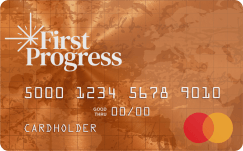
First Progress Select Secured Mastercard® Cash Back Rewards
Ongoing APR:17.49% Variable
Rewards:1% - 10% (cash back)
Annual Fee:$39

Credit One Bank® Premier American Express® Credit Card
Ongoing APR:29.74% Variable
Rewards:1% (cash back)
Annual Fee:$39

Credit One Bank® Wander® American Express® with Dining, Gas & Travel Rewards
Ongoing APR:29.74% Variable
Rewards:1% - 10% (cash back)
Annual Fee:$95

Discover it® Miles
Intro bonus:Discover Match®
Intro APR:0% intro APR for 15 months on Purchases and Balance Transfers
Ongoing APR:17.49% - 26.49% Variable APR
Rewards:1.5x (Miles per dollar)
Annual Fee:$0
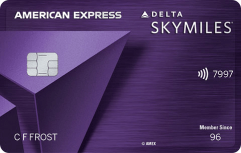
Delta SkyMiles® Reserve American Express Card
Intro bonus:As High As 100,000 Bonus Miles. Find Out Your Offer.
Ongoing APR:19.49%-28.49% Variable
Rewards:1x - 3x (Miles per dollar)
Annual Fee:$650
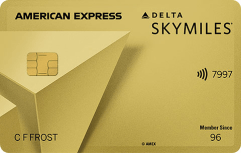
Delta SkyMiles® Gold American Express Card
Intro bonus:As High As 80,000 Bonus Miles. Find Out Your Offer.
Ongoing APR:19.49%-28.49% Variable
Rewards:1x - 2x (Miles per dollar)
Annual Fee:$0 introductory annual fee for the first year, then $150.

Credit One Bank® Premier American Express® Unlimited Rewards Card
Ongoing APR:29.74% Variable
Rewards:1% (cash back)
Annual Fee:$0
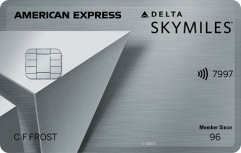
Delta SkyMiles® Platinum American Express Card
Intro bonus:As High As 90,000 Bonus Miles. Find Out Your Offer.
Ongoing APR:19.49%-28.49% Variable
Rewards:1x - 3x (Miles per dollar)
Annual Fee:$350

Hilton Honors American Express Surpass® Card
Intro bonus:130,000 Points
Ongoing APR:19.49%-28.49% Variable
Rewards:3x - 12x (Points per dollar)
Annual Fee:$150
Marriott Bonvoy Bevy® American Express® Card
Intro bonus:175,000 Points
Ongoing APR:19.49%-28.49% Variable
Rewards:2x - 6x (Points per dollar)
Annual Fee:$250

Avant® Cashback Rewards Mastercard® - With A Higher Credit Limit
Ongoing APR:35.99%*
Rewards:1% (cash back)
Annual Fee:$125*
See all our best credit cards for 2026.
Statement Balance vs. Current Balance
Although your statement balance and current balance both reflect how much you owe the credit card company, they differ in important ways.
The statement balance (sometimes called the new balance) is your total balance at the end of a billing cycle. You can avoid incurring interest charges by paying the statement balance in full by your payment due date.
The current balance is a running total that includes any charges, fees, payments and credits that have been posted to your account. This includes any previous balances, new charges and payments you've made. You can see it by checking your credit card account online or in your card issuer's app.
In addition to these balances, your statement lists a minimum monthly payment. This is the least you can pay in a billing cycle and still keep your account in good standing. Card issuers may calculate the minimum payment based on a flat percentage of your balance or based on a percentage plus interest and fees.
| Statement Balance | Current Balance | |
|---|---|---|
| What it is | Amount you owe at end of billing cycle | Amount you currently owe |
| What it includes | Previous unpaid balance plus transactions posted to your account during the billing cycle | Any unpaid balance plus transactions posted to your account after your last statement closed |
| When it updates | Monthly at end of billing cycle | Daily depending on account activity |
How a High Credit Card Balance Affects Your Credit Score
A high credit card balance can negatively affect your credit score if it pushes your credit utilization ratio too high. Your credit utilization is the amount of revolving credit you're using relative to your available credit. To find your credit utilization ratio, divide your total credit card balances by your total credit limits, then multiply by 100.
Example: If you have two credit cards with a $3,000 credit limit on each, one with a $1,000 balance and the other with a $500 balance, your credit utilization is 25% ($1,500 / $6,000 = 25%).
A lower credit utilization ratio is better for your credit score. People with the highest credit scores generally have credit utilization ratios under 10%. Although there's no exact point at which credit utilization flips from good to bad, a ratio exceeding 30% typically starts to weigh more heavily on your credit score.
Learn more: How Much Credit Card Debt Is Too Much?
How Do I Check My Credit Card Balance?
You can check your credit card balance online or in your credit card app, by phone or by checking your printed statement.
- Online or on the mobile app: Log in to your account to see the statement balance and current balance.
- By phone: Call the customer service number on the back of your credit card. You can typically check your statement balance, current balance and available credit using the automated system.
- On your printed statement: You'll see your statement balance near the top of your credit card statement. Note that you will not be able to view your current balance on your printed statement.
Learn more: How Do Account Balances Affect Your Credit?
What Should I Do if My Credit Card Balance Is High?
If you have a high credit card balance, try one of these options to pay down your credit card debt as quickly as possible.
- Use the debt snowball method. With the debt snowball approach, you make minimum payments on all your credit cards, then put any extra you can afford toward the card with the smallest balance. Once that card is paid off, add what you were paying on the first card to the minimum balance on the card with the next smallest balance, and so on until all your cards are paid off.
- Use the debt avalanche method. The debt avalanche method focuses on paying down the balances with the highest interest rates first. After making minimum payments on all your cards, put any extra money toward the one with the highest annual percentage rate (APR). Focus on paying this card down first, followed by the card with the next-highest rate and so on.
- Get a balance transfer card. You may qualify for a balance transfer credit card that offers a low or 0% introductory APR on balances transferred from an existing card. If you commit to paying off the balance before the promotional period ends, this could save you a significant amount of money on interest. There's typically a balance transfer fee of 3% to 5% of the amount transferred.
- Get a debt consolidation loan. A debt consolidation loan is a personal loan you can use to pay off credit card debt, replacing several credit card payments with one monthly payment, usually at a lower interest rate. When deciding if a debt consolidation loan is right for you, consider the loan's interest rate, the total cost of borrowing and any penalties or fees.
Learn more: What Happens if You Only Pay the Minimum on Your Credit Card?
Frequently Asked Questions
The Bottom Line
Understanding the differences between your credit card balance, statement balance and minimum payment can help you better manage your credit card payments and keep debt under control. Making timely payments can also help improve your credit score. You can use Experian's free credit monitoring tools to see how your credit card balances and utilization rates affect your credit scores.
Don’t apply blindly
Apply for credit cards confidently with personalized offers based on your credit profile. Get started with your FICO® Score for free.
See your offers
About the author

Karen Axelton
Karen Axelton is Experian’s in-house senior personal finance writer. She has over 20 years of experience as a journalist and has written or ghostwritten content for a variety of financial services companies.
Read more from Karen