
How Does Your Credit Score Affect Your Interest Rate?

Quick Answer
A high credit score indicates that the risk of default on a debt is relatively low. Because a borrower with a high score statistically presents less risk to the lender, the lender may choose to offer a lower interest rate to reflect that reduced risk.

When you're applying for a new loan or other credit, your credit scores determine more than the likelihood you'll be approved—they also play a big role in determining what interest rate you'll be offered.
People with higher credit scores tend to qualify for lower interest rates because they have a record of consistently paying back debts on time. Their proven history with credit is more desired by lenders, who are always looking to minimize risk.
What Is Creditworthiness?
Creditworthiness is a way for lenders to measure how likely you are to pay back a loan, credit card or line of credit on time. Your credit score provides a snapshot of your overall credit health, but it's just one of many factors that lenders consider to determine your creditworthiness.
Other factors include:
- Payment history
- Existing credit balances
- Number and type of credit accounts
- How long you've been using credit
- How much available credit you're using
- Recent credit applications
- Debt payments relative to your income
Lenders will also review your credit reports for negative items, such as foreclosure, bankruptcy or collection accounts. A poor credit score won't necessarily disqualify a borrower from taking on credit, but it's likely to cause a lender to charge a higher interest rate to offset some of its risk.
What Are the Credit Score Ranges?
The best interest rates are often reserved for borrowers with good credit or better. When you check your credit score, these FICO® ScoreΘ ranges will give you an idea of where you stand:
- Exceptional: 800 to 850
- Very good: 740 to 799
- Good: 670 to 739
- Fair: 580 to 669
- Poor: 300 to 579
How Your Credit Score Impacts Your Interest Rates
Lenders use risk-based pricing to determine what interest rates to charge borrowers. While your credit score and credit report give lenders a glimpse of how well you've managed credit in the past, they're also viewed as a predictor of your future behavior.
That's not to say that you can't improve your credit habits—and subsequently your credit score—over time. But without data showing a history of those habits, it's impossible for lenders to make that judgment.
Why a Low Credit Score May Result in Higher Interest Rates
When someone has less-than-stellar credit, it might be due to missed or late payments, high amounts of debt, or negative marks such as bankruptcy or accounts in collections. It could also simply mean that the borrower is new to credit and hasn't yet established a positive track record with credit.
Regardless of the circumstances, borrowers with low credit scores miss payments and default at a higher rate on average, statistically speaking, than borrowers with excellent credit. While lenders have some options when a borrower can't pay, they may ultimately need to sell the debt to a collection agency for a fraction of its value or write off the debt entirely.
To safeguard themselves against such losses, lenders typically charge higher interest rates to borrowers with lower credit scores.
Why a High Credit Score May Result in Lower Interest Rates
If someone has excellent credit, it's likely because they've made responsible financial decisions such as repaying bills on time, keeping debt low and having accounts in good standing over a long period of time.
As a result, lenders can be more confident they'll repay the debt in full and on time. When a lender is sure it'll get its money back, it doesn't feel the need to guarantee returns with a high interest rate.
Best credit cards of 2026
Compare cards from our partners with intro bonuses, cash back or points offers, and annual fees as low as $0.
Offers from our partners
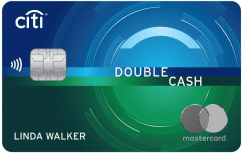
Citi Double Cash® Card
Intro APR:0% for 18 months on Balance Transfers
Ongoing APR:17.49% - 27.49% (Variable)
Rewards:2% (cash back)
Annual Fee:$0
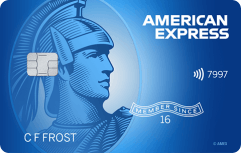
Blue Cash Everyday® Card from American Express
Intro bonus:As High As $200 Cash Back. Find Out Your Offer.
Intro APR:0% on Purchases and Balance Transfers for 15 months
Ongoing APR:19.49%-28.49% Variable
Rewards:1% - 3% (cash back)
Annual Fee:$0
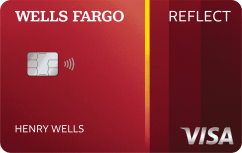
Wells Fargo Reflect® Card
Intro APR:0% intro APR for 21 months from account opening on purchases and qualifying balance transfers
Ongoing APR:17.49%, 23.99%, or 28.24% Variable APR
Rewards:N/A*
Annual Fee:$0
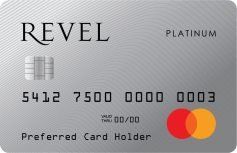
Revel® Platinum Mastercard®
Ongoing APR:35.90% Fixed
Rewards:N/A*
Annual Fee:$75 - $125
Citi® Diamond Preferred® Card
Intro APR:0% for 21 months on Balance Transfers and 12 months on Purchases
Ongoing APR:16.49% - 27.24% (Variable)
Rewards:N/A*
Annual Fee:$0
Wells Fargo Active Cash® Card
Intro bonus:$200
Intro APR:0% intro APR for 12 months from account opening on purchases and qualifying balance transfers
Ongoing APR:18.49%, 24.49%, or 28.49% Variable APR
Rewards:2% (Cash Rewards)
Annual Fee:$0

Discover it® Cash Back
Intro bonus:Cashback Match™
Intro APR:0% intro APR for 15 months on Purchases and Balance Transfers
Ongoing APR:17.49% - 26.49% Variable APR
Rewards:1% - 5% (cash back)
Annual Fee:$0

Avant® Cashback Rewards Mastercard®
Ongoing APR:29.99%*
Rewards:2% (cash back)
Annual Fee:$0*

The opensky® Secured Visa® Credit Card
Ongoing APR:23.89% Variable
Rewards:10% (cash back)
Annual Fee:$35

Credit One Bank American Express® Card for Rebuilding Credit
Ongoing APR:29.74% Variable
Rewards:1% (cash back)
Annual Fee:$75 First year. $99 thereafter, billed monthly at $8.25
Blue Cash Preferred® Card from American Express
Intro bonus:As High As $300 Cash Back. Find Out Your Offer.
Intro APR:0% on Purchases and Balance Transfers for 12 months
Ongoing APR:19.49%-28.49% Variable
Rewards:1% - 6% (cash back)
Annual Fee:$0 intro annual fee for the first year, then $95.

Avant® Mastercard®
Ongoing APR:35.99%*
Rewards:N/A*
Annual Fee:$0*

Credit One Bank® Secured Card
Ongoing APR:29.74% Variable
Rewards:1% (cash back)
Annual Fee:$0
Citi Strata Premier® Card
Intro bonus:60,000 Points
Ongoing APR:19.49% - 27.49% (Variable)
Rewards:1x - 10x (Points per dollar)
Annual Fee:$95
Costco Anywhere Visa® Card by Citi
Ongoing APR:18.74% - 26.74% (Variable)
Rewards:1% - 5% (cash back)
Annual Fee:$0

Avant® Cashback Rewards Mastercard®
Ongoing APR:35.99%*
Rewards:1% (cash back)
Annual Fee:$75*
Citi® / AAdvantage® Globe™ Mastercard®
Ongoing APR:19.49% - 29.49% (Variable)
Rewards:1x - 6x (Miles per dollar)
Annual Fee:$350

Avant® Cashback Rewards Mastercard®
Ongoing APR:35.99%*
Rewards:1% (cash back)
Annual Fee:Introductory fee of $75 for the first year. After that, $99 annually.*

Credit One Bank® Platinum X5 Visa® Metal Card
Ongoing APR:29.74% Variable
Rewards:1% - 5% (cash back)
Annual Fee:$95
First Progress Select Secured Mastercard® Cash Back Rewards
Ongoing APR:17.49% Variable
Rewards:1% - 10% (cash back)
Annual Fee:$39
Credit One Bank® Premier American Express® Credit Card
Ongoing APR:29.74% Variable
Rewards:1% (cash back)
Annual Fee:$39

Credit One Bank® Wander® American Express® with Dining, Gas & Travel Rewards
Ongoing APR:29.74% Variable
Rewards:1% - 10% (cash back)
Annual Fee:$95

Discover it® Miles
Intro bonus:Discover Match®
Intro APR:0% intro APR for 15 months on Purchases and Balance Transfers
Ongoing APR:17.49% - 26.49% Variable APR
Rewards:1.5x (Miles per dollar)
Annual Fee:$0
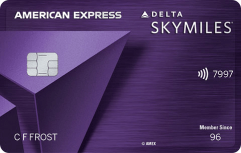
Delta SkyMiles® Reserve American Express Card
Intro bonus:As High As 100,000 Bonus Miles. Find Out Your Offer.
Ongoing APR:19.49%-28.49% Variable
Rewards:1x - 3x (Miles per dollar)
Annual Fee:$650
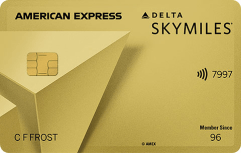
Delta SkyMiles® Gold American Express Card
Intro bonus:As High As 80,000 Bonus Miles. Find Out Your Offer.
Ongoing APR:19.49%-28.49% Variable
Rewards:1x - 2x (Miles per dollar)
Annual Fee:$0 introductory annual fee for the first year, then $150.

Credit One Bank® Premier American Express® Unlimited Rewards Card
Ongoing APR:29.74% Variable
Rewards:1% (cash back)
Annual Fee:$0
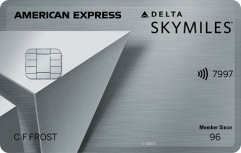
Delta SkyMiles® Platinum American Express Card
Intro bonus:As High As 90,000 Bonus Miles. Find Out Your Offer.
Ongoing APR:19.49%-28.49% Variable
Rewards:1x - 3x (Miles per dollar)
Annual Fee:$350
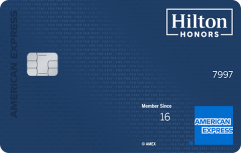
Hilton Honors American Express Surpass® Card
Intro bonus:130,000 Points
Ongoing APR:19.49%-28.49% Variable
Rewards:3x - 12x (Points per dollar)
Annual Fee:$150
Marriott Bonvoy Bevy® American Express® Card
Intro bonus:175,000 Points
Ongoing APR:19.49%-28.49% Variable
Rewards:2x - 6x (Points per dollar)
Annual Fee:$250

Avant® Cashback Rewards Mastercard® - With A Higher Credit Limit
Ongoing APR:35.99%*
Rewards:1% (cash back)
Annual Fee:$125*
See all our best credit cards for 2026.
How to Improve Your Credit Score
If you want the best chances of getting approved for loans or credit cards at the lowest interest rates, it's crucial that you take steps to improve your credit score before you apply. Here are some steps you can take:
- Check your credit report. Review your credit report to get an understanding of which factors are influencing your credit score. Identify areas where you can improve. Note, too, that you have the right to dispute inaccurate and fraudulent credit report information. You can check your credit report for free through Experian or at AnnualCreditReport.com.
- Make on-time bill payments. Late or missed payments can drastically affect your credit score, so make it a priority to pay every bill on time. This includes credit cards, loans and utilities. Set up calendar reminders or autopay if you have trouble remembering when bills are due.
- Keep your credit card balances low. Your credit utilization rate tells lenders how much of your available credit you're using at any given time. While some credit experts suggest keeping your utilization rate below 30%, borrowers with excellent credit typically have a rate below 10%. Even if you pay off your credit cards in full each month, look at how much of your credit limit you're using and consider ways to reduce your utilization rate.
- Avoid closing accounts unnecessarily. Open credit card accounts contribute to your available credit and may help keep your utilization rate low, so try to keep them open. If it's a credit card you rarely use, just set up a calendar reminder to use it a few times a year to keep it active. If you don't want to pay the annual fee on an unused credit card, consider asking the card issuer to keep your account open but downgrade the card to one with no annual fee.
- Ask a loved one for help. If your credit needs a lot of work, consider asking a loved one who has good credit to add you as an authorized user on one of their credit card accounts. Once added, the entire history of the account will show up on your credit reports. If they've used the account responsibly, it can help improve your score.
Get Credit for Other Payments With Experian Boost®ø
Traditionally, only debt payments get reported to the credit bureaus. But with Experian Boost, you can also add eligible utility, phone, rent and even streaming service payments to your Experian credit file.
Simply register and connect your financial accounts, then select which payments you want to include—only positive payment history will be considered. You'll be able to see your results instantly.
Discover low interest credit cards
Keep more cash in your wallet with a low interest credit card. See what offers you qualify for based on your FICO® Score.
See your offers
About the author

Karen Axelton
Karen Axelton is Experian’s in-house senior personal finance writer. She has over 20 years of experience as a journalist and has written or ghostwritten content for a variety of financial services companies.
Read more from Karen