
Are Credit Card Rates Fixed or Variable?

Quick Answer
Most credit cards have a variable annual percentage rate (APR) that can change from one month to the next. Fixed-rate credit cards aren’t as common, but you might find some options from smaller financial institutions.

Most credit cards have a variable annual percentage rate (APR), which means the interest rate might increase or decrease from one month to the next. The changing rate could affect how much interest accrues on your purchases, balance transfers or cash advances, and your monthly minimum payment. If you'd prefer a fixed-rate card there are some available, but they're not as common as variable-rate cards.
Is a Credit Card Variable or Fixed Rate?
A credit card is a revolving line of credit that could have a variable or a fixed interest rate. However, most credit cards have a variable APR, and you may need to go out of your way to find a fixed-rate card.
Many credit cards also have three separate APRs:
- Purchase APR: The interest that applies to your purchases. Most credit cards offer a grace period, and your purchases won't accrue interest if you pay your balance in full every month. If you revolve a balance, the revolved amount and new purchases could accrue interest daily.
- Balance transfer APR: The interest rate that applies to balances that you transfer to the credit card is often the same as the card's purchase APR. However, credit cards might offer promotions that temporarily lower the balance transfer APR—sometimes to an introductory 0% APR. Review the terms to see if purchases will accrue interest during the balance transfer offer's promotional period.
- Cash advance APR: The interest rate that gets applied to cash advances, such as when you withdraw money from an ATM with your credit card or purchase cash-like assets. This APR is often higher than the purchase or balance transfer APR, and interest generally starts to accrue on cash advances immediately, even if you pay your balance in full every month.
All of these APRs could be variable or fixed depending on the card.
Best credit cards of 2026
Compare cards from our partners with intro bonuses, cash back or points offers, and annual fees as low as $0.
Offers from our partners
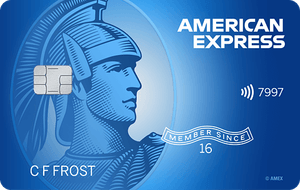
Blue Cash Everyday® Card from American Express
Intro APR:0% on Purchases and Balance Transfers for 15 months
Ongoing APR:19.74%-28.74% Variable
Annual Fee:$0
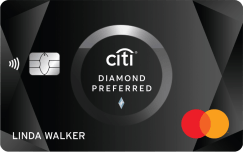
Citi® Diamond Preferred® Card
Intro APR:0% for 21 months on Balance Transfers and 12 months on Purchases
Ongoing APR:16.74% - 27.49% (Variable)
Annual Fee:$0
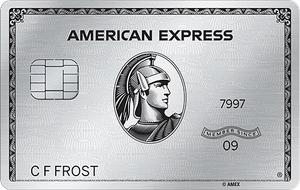
American Express Platinum Card®
Ongoing APR:See Pay Over Time APR
Annual Fee:$895
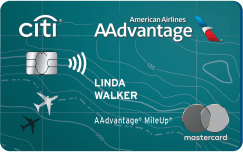
American Airlines AAdvantage® MileUp® Card
Intro APR:0% for 15 months on Balance Transfers
Ongoing APR:19.74% - 29.74% (Variable)
Annual Fee:$0

Avant® Cashback Rewards Mastercard®
Ongoing APR:35.99%*
Annual Fee:$75*
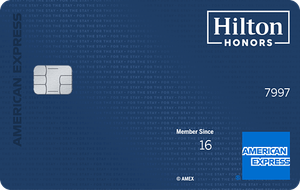
Hilton Honors American Express Surpass® Card
Ongoing APR:19.74%-28.74% Variable
Annual Fee:$150
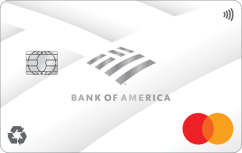
BankAmericard® credit card
Intro APR:0% Intro APR for 21 billing cycles for purchases, and for any balance transfers made in the first 60 days
Ongoing APR:15.24% - 26.24% Variable
Annual Fee:$0
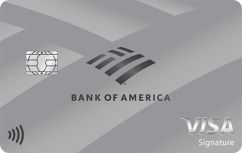
Bank of America® Unlimited Cash Rewards credit card
Intro APR:0% Intro APR for 15 billing cycles for purchases, and for any balance transfers made in the first 60 days
Ongoing APR:17.74% - 27.74% Variable
Annual Fee:$0
See all our best credit cards for 2026.
Fixed-Rate Credit Cards
You can look for a fixed-rate credit card and might find several options from smaller banks and credit unions. Although these cards can be more difficult to find, they tend to offer:
- A low APR: Many fixed-rate cards have a lower APR than the lowest starting APR on variable APR cards. Some also offer promotional APRs—a temporarily lower or 0% APR for purchases or balance transfers.
- Fewer fees: The fixed-rate cards from credit unions and smaller banks also might have fewer and lower fees, such as no balance transfer or cash advance fees.
- Fewer rewards and benefits: These cards might not be part of large rewards programs or offer the same insurance and cardholder protections as cards from larger issuers.
Consider these pros and cons and whether opening a fixed-rate card with a local bank or credit union might be a good idea.
Fixed Rates Can Still Change
As long as you stay current with your payments, you can avoid a surprise rate increase on your existing balance with a fixed-rate card. However, the card issuer can still change your card's interest rate in certain circumstances:
- After the first year: Card issuers usually can't change the account's APR during your first year with the card.
- With a notice: Once the first year is up, the card issuer can change your rate if it gives you at least 45 days' notice. The new rate will only apply to transactions that happened 14 or more days after the notice.
- After promotions end: Additionally, the interest rate could change—even during the first year—if you have a promotional rate that expires.
- If you miss payments: Finally, the card issuer could apply a higher penalty APR to your existing and future transactions if your bill is 60 or more days past due.
Variable-Rate Credit Cards
A variable rate is much more common with credit cards, and most of the major card issuers exclusively offer variable-rate cards. A variable rate isn't necessarily a bad thing, but you want to be aware of the pros and cons:
- Many options available: Since variable rates are the norm, you may be able to choose from lots of credit cards, including rewards, airline and hotel cards.
- Choose your rewards and fees: If your credit score is high enough, you may qualify for many credit cards and can choose one that has a rewards program, fees and cardholder benefits that align with your needs.
- Rates can change without notice: A credit card's variable rate is made up of a fixed interest rate plus a variable rate that changes based on a benchmark rate, such as the prime rate. If the benchmark rate changes, the cards' APRs may automatically change as well, and the new APRs can apply to existing and new transactions.
Similar to fixed-rate cards, after the first year, the card issuer can also change the fixed portion of your card's interest rate after sending you a notice or if you fall behind on payments.
How to Find Fixed-Rate Credit Cards
You might have to look beyond the big-name issuers and comparison websites to find fixed-rate cards. Here are a few tips.
- Check with your local credit unions and banks. You can most commonly find fixed-rate cards from small financial institutions, such as community banks and local credit unions. Research the card options on their websites or visit a local branch to ask if they offer fixed-rate cards.
- Compare the rates, benefits and fees. If you find several options, compare their interest rate ranges (your fixed rate could still depend on your credit score), benefits and fees.
- Become a member and apply. Apply online or in a branch to see if you get approved for the card. If the card is from a credit union, you'll need to become a member before you can get a credit card. Sometimes, membership eligibility can depend on where you live or work.
Once you have your new credit card, it will work the same as a variable-rate credit card. And as with variable-rate cards, your purchases won't accrue interest if you can pay off your balance in full each month.
Frequently Asked Questions
Check Your Card Offers
If you're looking for a new credit card, your credit scores can affect your eligibility and the interest rate you receive. Check your credit score for free from Experian, and use your Experian membership to compare credit card offers based on your unique credit profile.
Don’t apply blindly
Apply for credit cards confidently with personalized offers based on your credit profile. Get started with your FICO® Score for free.
See your offers
About the author

Louis DeNicola
Louis DeNicola is freelance personal finance and credit writer who works with Fortune 500 financial services firms, FinTech startups, and non-profits to teach people about money and credit. His clients include BlueVine, Discover, LendingTree, Money Management International, U.S News and Wirecutter.
Read more from Louis