
 Edited by Peggy Bennett
How Do Credit Cards Work?
Edited by Peggy Bennett
Quick Answer
A credit card works by giving you access to a revolving line of credit that you can borrow against, repay the debt and borrow again.

A credit card works by giving you access to a revolving line of credit. You can borrow against the credit line, repay the debt and borrow again without having to apply for a new card.
Many cards offer additional benefits, such as rewards and purchase protections, that can make them a better option than debit cards. However, understanding how credit cards work and when you'll have to pay interest is an important part of responsibly managing your finances.
What Is a Credit Card?
A credit card is a type of revolving credit account that lets you repeatedly borrow money and pay off the balance over time. In contrast, an installment loan, such as a mortgage or auto loan, gives you the total loan amount upfront and you repay it in monthly installments over a predetermined repayment period.
When you make a purchase with a credit card, the purchase amount is added to your total balance. You can keep using your card as long as your total balance is below your card's credit limit, and you can free up your available credit by paying down the balance.
Each month, your transactions (purchases, balance transfers, fees, interest and payments) are added together to determine your statement balance. You receive a statement with the total statement balance, required minimum payment and due date.
You can keep your account in good standing and avoid late payment fees by making at least the minimum payment by the due date. However, you'll then "revolve" the balance and have to pay interest on the remaining balance. If you pay the full statement balance every month, you generally won't pay any interest on your purchases.
Understanding the Different Types of Credit Cards
All credit cards share some characteristics, such as having a credit limit (which may be flexible, depending on the card), minimum monthly payment and an annual percentage rate (APR). However, credit cards are also put into different groups depending on certain traits, such as the card's benefits, who issues the card and the intended cardholder.
Secured Credit Cards
Secured credit cards are generally for people who are new to credit or are rebuilding their credit. To open a secured card, you need to send the card issuers a refundable security deposit or lock money in a linked bank account. The funds secure the card's credit limit, and the card issuer can keep the money if a cardholder stops making payments on the card. Because this reduces the lender's risk, it's usually easier to qualify for secured cards than most unsecured cards.
Unsecured Credit Cards
Unsecured credit cards are the norm, and what most people think about when they're considering credit cards. You don't need to lock up any funds to open or use an unsecured credit card. Instead, the card issuer approves or denies your application based on your creditworthiness—which may include your credit history, credit score, income and other bills.
Having good credit can help you qualify for more cards and lead to higher credit limits and lower APRs on your accounts.
Student Credit Cards
Student credit cards are unsecured cards created for students. It may be easier to qualify for a student card because the card issuers don't expect students to have a high income or long credit history. However, these cards may also have low credit limits.
Store Credit Cards
Some retailers offer store credit cards to customers. These cards generally offer benefits related to shopping at the store, such as rewards points in the loyalty program or a longer return period for purchasers. Store cards may be either closed-loop, meaning you can only use them at the associated brands, or open-loop, which is a general unsecured credit card.
Rewards Credit Card
Rewards cards are credit cards that offer rewards, including cash back, miles and points. There are many rewards cards, though, and they tend to be further categorized based on the type of rewards. For example, there are dining rewards cards that offer bonus rewards on dining purchases, and some hotels and airlines offer hotel or airline rewards cards.
Best rewards cards of 2026
Compare cards from our partners that earn points, cash back or miles on everyday spending.
Offers from our partners
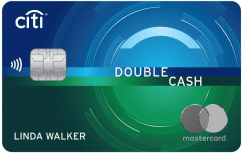
Citi Double Cash® Card
Intro APR:0% for 18 months on Balance Transfers
Ongoing APR:17.49% - 27.49% (Variable)
Rewards:2% (cash back)
Annual Fee:$0
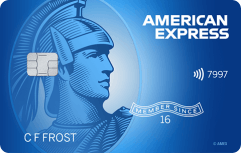
Blue Cash Everyday® Card from American Express
Intro bonus:As High As $200 Cash Back. Find Out Your Offer.
Intro APR:0% on Purchases and Balance Transfers for 15 months
Ongoing APR:19.49%-28.49% Variable
Rewards:1% - 3% (cash back)
Annual Fee:$0
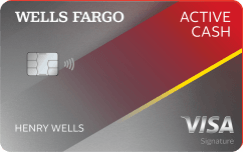
Wells Fargo Active Cash® Card
Intro bonus:$200
Intro APR:0% intro APR for 12 months from account opening on purchases and qualifying balance transfers
Ongoing APR:18.49%, 24.49%, or 28.49% Variable APR
Rewards:2% (Cash Rewards)
Annual Fee:$0
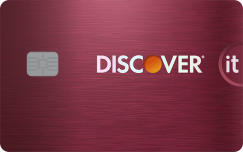
Discover it® Cash Back
Intro bonus:Cashback Match™
Intro APR:0% intro APR for 15 months on Purchases and Balance Transfers
Ongoing APR:17.49% - 26.49% Variable APR
Rewards:1% - 5% (cash back)
Annual Fee:$0

Avant® Cashback Rewards Mastercard®
Ongoing APR:29.99%*
Rewards:2% (cash back)
Annual Fee:$0*

The opensky® Secured Visa® Credit Card
Ongoing APR:23.89% Variable
Rewards:10% (cash back)
Annual Fee:$35

Credit One Bank American Express® Card for Rebuilding Credit
Ongoing APR:29.74% Variable
Rewards:1% (cash back)
Annual Fee:$75 First year. $99 thereafter, billed monthly at $8.25
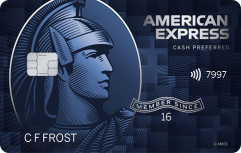
Blue Cash Preferred® Card from American Express
Intro bonus:As High As $300 Cash Back. Find Out Your Offer.
Intro APR:0% on Purchases and Balance Transfers for 12 months
Ongoing APR:19.49%-28.49% Variable
Rewards:1% - 6% (cash back)
Annual Fee:$0 intro annual fee for the first year, then $95.
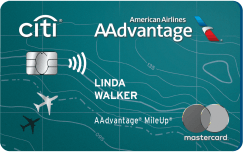
American Airlines AAdvantage® MileUp® Card
Intro APR:0% for 15 months on Balance Transfers
Ongoing APR:19.49% - 29.49% (Variable)
Rewards:2x (Miles per dollar)
Annual Fee:$0
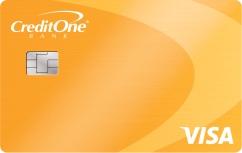
Credit One Bank® Secured Card
Ongoing APR:29.74% Variable
Rewards:1% (cash back)
Annual Fee:$0
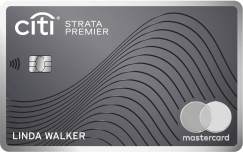
Citi Strata Premier® Card
Intro bonus:60,000 Points
Ongoing APR:19.49% - 27.49% (Variable)
Rewards:1x - 10x (Points per dollar)
Annual Fee:$95

Avant® Cashback Rewards Mastercard®
Ongoing APR:35.99%*
Rewards:1% (cash back)
Annual Fee:$0*
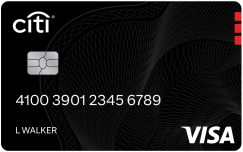
Costco Anywhere Visa® Card by Citi
Ongoing APR:18.74% - 26.74% (Variable)
Rewards:1% - 5% (cash back)
Annual Fee:$0

Avant® Cashback Rewards Mastercard®
Ongoing APR:35.99%*
Rewards:1% (cash back)
Annual Fee:$75*
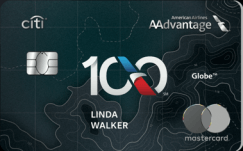
Citi® / AAdvantage® Globe™ Mastercard®
Ongoing APR:19.49% - 29.49% (Variable)
Rewards:1x - 6x (Miles per dollar)
Annual Fee:$350

Avant® Cashback Rewards Mastercard®
Ongoing APR:35.99%*
Rewards:1% (cash back)
Annual Fee:Introductory fee of $75 for the first year. After that, $99 annually.*

Credit One Bank® Platinum X5 Visa® Metal Card
Ongoing APR:29.74% Variable
Rewards:1% - 5% (cash back)
Annual Fee:$95
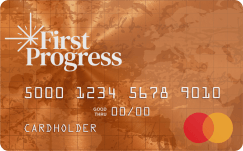
First Progress Select Secured Mastercard® Cash Back Rewards
Ongoing APR:17.49% Variable
Rewards:1% - 10% (cash back)
Annual Fee:$39
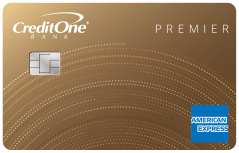
Credit One Bank® Premier American Express® Credit Card
Ongoing APR:29.74% Variable
Rewards:1% (cash back)
Annual Fee:$39

Credit One Bank® Wander® American Express® with Dining, Gas & Travel Rewards
Ongoing APR:29.74% Variable
Rewards:1% - 10% (cash back)
Annual Fee:$95
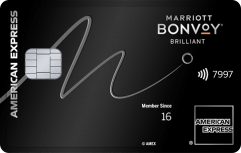
Marriott Bonvoy Brilliant® American Express® Card
Intro bonus:200,000 Points
Ongoing APR:19.49%-28.49% Variable
Rewards:2x - 6x (Points per dollar)
Annual Fee:$650

Discover it® Miles
Intro bonus:Discover Match®
Intro APR:0% intro APR for 15 months on Purchases and Balance Transfers
Ongoing APR:17.49% - 26.49% Variable APR
Rewards:1.5x (Miles per dollar)
Annual Fee:$0
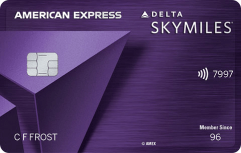
Delta SkyMiles® Reserve American Express Card
Intro bonus:As High As 100,000 Bonus Miles. Find Out Your Offer.
Ongoing APR:19.49%-28.49% Variable
Rewards:1x - 3x (Miles per dollar)
Annual Fee:$650
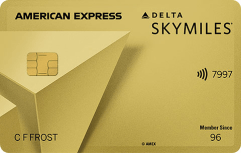
Delta SkyMiles® Gold American Express Card
Intro bonus:As High As 80,000 Bonus Miles. Find Out Your Offer.
Ongoing APR:19.49%-28.49% Variable
Rewards:1x - 2x (Miles per dollar)
Annual Fee:$0 introductory annual fee for the first year, then $150.
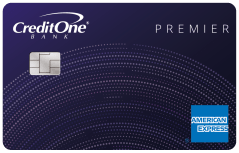
Credit One Bank® Premier American Express® Unlimited Rewards Card
Ongoing APR:29.74% Variable
Rewards:1% (cash back)
Annual Fee:$0
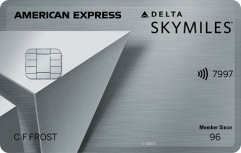
Delta SkyMiles® Platinum American Express Card
Intro bonus:As High As 90,000 Bonus Miles. Find Out Your Offer.
Ongoing APR:19.49%-28.49% Variable
Rewards:1x - 3x (Miles per dollar)
Annual Fee:$350
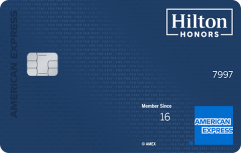
Hilton Honors American Express Surpass® Card
Intro bonus:130,000 Points
Ongoing APR:19.49%-28.49% Variable
Rewards:3x - 12x (Points per dollar)
Annual Fee:$150
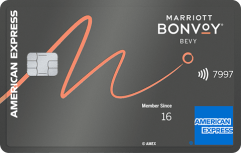
Marriott Bonvoy Bevy® American Express® Card
Intro bonus:175,000 Points
Ongoing APR:19.49%-28.49% Variable
Rewards:2x - 6x (Points per dollar)
Annual Fee:$250

Avant® Cashback Rewards Mastercard® - With A Higher Credit Limit
Ongoing APR:35.99%*
Rewards:1% (cash back)
Annual Fee:$125*

Avant® Cashback Rewards Mastercard®
Ongoing APR:35.99%*
Rewards:1% (cash back)
Annual Fee:$0*
See all our best rewards credit cards for 2026.
Business Credit Cards
Business credit cards are for small business owners. These cards may provide benefits that align with business owners' needs, such as rewards for buying online advertising and free employee cards that are linked to the account.
These groups aren't mutually exclusive. For example, a student card could also be an unsecured card that offers rewards. However, the above categories are common ways of naming different types of credit cards.
Learn more: What Credit Card Should I Get?
How Do Credit Card Payments Work?
Credit card payments are due monthly on the same day each month, or the next business day if the due date is on a weekend or holiday. You'll receive your statement with the bill approximately three weeks earlier, when the billing cycle (also called a billing or statement period) ends.
Example: If you have a billing cycle that ends on March 31, you may receive your statement and bill that day. The next billing cycle starts right away, on April 1, and the previous billing cycle bill's due date is around April 22.
The overlapping timelines can be confusing, but there are three important amounts to remember:
- Statement balance: This is the balance at the end of your billing cycle. You won't pay interest on purchases if you pay your statement balance in full each month.
- Minimum payment: You can make a lower minimum payment by the due date to keep your account in good standing and avoid late payment fees.
- Current balance: You can check your current balance by logging in to your account. It will include recent transactions, such as payments and purchases, that happened after your most recent billing cycle ended. You don't owe this amount right away, but it can be helpful to track if you're budgeting.
Tip: You can also set up alerts for when your payments are due or enable automatic payments from a linked bank account. With autopay, you may be able to choose whether you want to pay the minimum amount, full statement balance or some other amount.
Common Credit Card Fees
Credit cards are a great payment option, but often come with many fees. Thankfully, there are ways to avoid these fees. Here are common credit card fees to watch out for:
- Annual fee: For cards that charge an annual fee, you'll pay the fee when you first receive the card and at each cardholder anniversary.
- Authorized-user fee: If you add an authorized user to a premium credit card, you may incur an additional annual fee.
- Balance transfer fee: When you transfer a balance to your credit card, you can incur a balance transfer fee that's 3% to 5% of the amount you transfer, with a $5 to $10 minimum fee per transfer.
- Cash advance fee: When you take out a cash advance, expect to pay 3% to 5% of the amount you receive, with a minimum $5 to $10 charge per cash advance.
- Foreign transaction fee: Many cards charge fees for purchases made outside the U.S. or online with foreign merchants. Often, this fee is 2% to 3% of the transaction amount.
- Late payment fee: If you don't make at least the minimum payment by the bill's due date, expect to pay a late fee.
- Returned payment fee: Some card issuers may charge a fee if a payment gets returned because you didn't have enough money in your account for the payment.
How Does Credit Card Interest Work?
Credit cards have several interest rates, or APRs, which can determine how much interest you'll pay when you use your credit card in different ways.
- Purchase APR: The interest rate for purchases you make with your card.
- Balance transfer APR: The interest rate for balances that you transfer to your credit card.
- Cash advance APR: The interest rate for cash advances and some cash-like purchases, such as a wire transfer or lottery ticket.
- Penalty APR: A high interest rate that may apply if you fall behind on your payments.
- Promotional APR: A temporarily low (sometimes 0%) APR that could apply to your purchases, balance transfers or both. These generally don't apply to cash advances, which could start accruing interest immediately.
Most cards also have a grace period, which is generally a 21- to 25-day period between the end of your statement closing date and the bill's due date. If you pay your statement balance in full by the due date, you won't pay any interest on your purchases, and you keep your grace period. If you revolve part of your balance, you lose the grace period and your purchases may start to accrue interest daily.
Some balance transfer cards offer a promotional or introductory 0% APR on balance transfers. Depending on the card offer, you might still accrue interest on purchases right away. Or, your statement may tell you how much you need to pay to avoid paying interest on purchases while you pay down the transferred balance.
How Do Credit Cards Affect Your Credit Score?
Credit cards can affect your credit scores in various ways, and the exact impact will depend on how you use your card, your overall credit file and the type of score. Looking at the five major scoring categories, here are a few common ways that credit cards can impact credit scores.
- Payment history: Making at least your minimum payment on time each month could help you build a long history of on-time payments, which is good for your credit scores. Paying late or missing several payments and letting an account go to collections could hurt your scores.
- Credit usage: Your credit utilization ratio looks at how much of your credit limit you're using. It's calculated based on the credit limits and balances that the card issuers generally report at the end of each billing cycle. Credit scoring models consider credit utilization on a per-card as well as a total basis. A lower utilization ratio is best for your credit scores, and opening new cards can lower your overall utilization rate by increasing your total available credit.
- Credit mix: Credit scoring models consider whether you have experience with installment and revolving credit accounts. Having at least one credit card, or a different type of revolving account, could help improve your credit mix and increase your score.
- Age of accounts: Having a lot of experience with credit can also help your scores, and the age of your oldest, newest and average age of all your accounts could be scoring factors. Opening a credit card will lower the average age of your accounts, which might hurt your scores, but keeping the account open could help you in the long run.
- Hard inquiries: Creditors will generally check your credit reports after you apply for a new credit account. A record of the credit check, called a hard inquiry, gets added to your reports and may temporarily hurt your scores a little.
How Do You Get a Credit Card?
You can apply for a credit card from any card issuer; it doesn't need to be a bank or credit union where you already have an account, and you can have multiple cards from the same company.
- Check your credit. Your credit score can impact which cards you'll likely get approved for, so you can start by checking your credit score.
- Find the card you want. Compare different cards to see if there's one that will be a good fit based on its requirements, benefits and how you plan to use the card.
- See if you're preapproved. Some card issuers have a preapproval tool that will show you which cards you'll likely get approved for without impacting your credit score.
- Apply for the card. The application will ask you for personal information, such as your name, address, Social Security number, monthly income and monthly housing payments. The card issuer will also request and review your credit report and a credit score.
You'll often get an approval or denial within a few minutes of submitting your application online. If the card issuer denies your application, you could try calling and asking for more details about why you weren't approved. In some situations, they may be willing to reverse the decision.
How to Use Your Credit Card Responsibly
Once you get approved and receive your new credit card, you can use it responsibly to help manage your finances, earn rewards and improve your credit. Try to:
- Pay your balance in full. If you pay your entire statement balance each month, you won't have to pay interest on your purchases.
- Treat your credit card like a debit card. Only using your credit card for purchases that you can afford, like you would do with a debit card, can keep you from taking on more debt than you can pay off.
- Use a small portion of your credit limit. Even if you pay off the card each month, having a high balance can lead to a high credit utilization ratio. Either limit how much you use your card or pay down the balance early to keep your utilization low.
- Make at least the minimum payment. Despite your best intentions, you may have to revolve a balance sometimes. When this happens, make sure you make at least the minimum payment by the due date to avoid a late payment fee. If the payment is 30 or more days late, it could also hurt your credit score.
Also, review your card's terms and conditions page to learn about the card's fees and when they may apply.
Get Matched With Credit Card Offers
Create a free Experian account to get matched with credit card offers based on your unique credit file. You can also filter the results depending on your goals and preferences, and select cards to see an overview of their main features, pros and cons.
Don’t apply blindly
Apply for credit cards confidently with personalized offers based on your credit profile. Get started with your FICO® Score for free.
See your offers
About the author

Louis DeNicola
Louis DeNicola is freelance personal finance and credit writer who works with Fortune 500 financial services firms, FinTech startups, and non-profits to teach people about money and credit. His clients include BlueVine, Discover, LendingTree, Money Management International, U.S News and Wirecutter.
Read more from Louis