
What Is the Difference Between Credit Card Balance and Utilization?

Quick Answer
Your credit card’s statement balance determines your next bill, and its current balance is what you owe in total. Your credit card utilization rate is the percentage of the credit limit in use, calculated using your card’s most recent statement balance.

While your credit card's balance tells you how much you owe, the card's credit utilization ratio is the percentage of its credit limit you're using. Credit utilization is an important factor in your credit score, and having a low utilization can help your credit score. However, some confusion can result because credit card utilization calculations don't use your card's current balance—they depend on the credit card's statement balance as it appears in your credit report.
What Is a Credit Card Balance?
Your credit card balance can refer to your card's current balance or its statement balance.
- Current balance: The current balance is what you see when you log in to your account or check your balance on a mobile app. It's the most recent statement balance, plus any additional transactions, including purchases, payments and fees.
- Statement balance: A credit card's statement balance is the balance that appears on the card's most recent statement. It's a snapshot of your card's current balance at the end of a billing cycle, and the statement balance is what determines your monthly minimum payment.
The due date for your credit card bill is often about three weeks after a statement is created, and your current balance might be higher if you've used your card during this time. The amount you owe on your monthly bill is still determined by the statement balance.
If you pay your statement balance in full, you can avoid accruing interest on your purchases. You have the option to pay less—down to the minimum payment—to avoid late payment fees and possibly hurting your credit score. However, the rest of the balance and any new purchase you make will accrue interest.
Best credit cards of 2026
Compare cards from our partners with intro bonuses, cash back or points offers, and annual fees as low as $0.
Offers from our partners
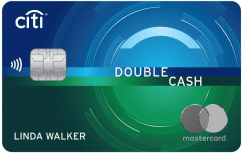
Citi Double Cash® Card
Intro APR:0% for 18 months on Balance Transfers
Ongoing APR:17.49% - 27.49% (Variable)
Rewards:2% (cash back)
Annual Fee:$0

Blue Cash Everyday® Card from American Express
Intro bonus:As High As $200 Cash Back. Find Out Your Offer.
Intro APR:0% on Purchases and Balance Transfers for 15 months
Ongoing APR:19.49%-28.49% Variable
Rewards:1% - 3% (cash back)
Annual Fee:$0
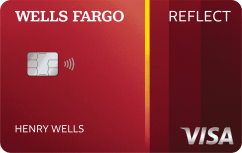
Wells Fargo Reflect® Card
Intro APR:0% intro APR for 21 months from account opening on purchases and qualifying balance transfers
Ongoing APR:17.49%, 23.99%, or 28.24% Variable APR
Rewards:N/A*
Annual Fee:$0
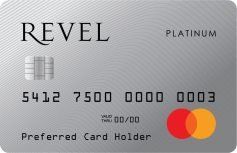
Revel® Platinum Mastercard®
Ongoing APR:35.90% Fixed
Rewards:N/A*
Annual Fee:$75 - $125

Citi® Diamond Preferred® Card
Intro APR:0% for 21 months on Balance Transfers and 12 months on Purchases
Ongoing APR:16.49% - 27.24% (Variable)
Rewards:N/A*
Annual Fee:$0

Wells Fargo Active Cash® Card
Intro bonus:$200
Intro APR:0% intro APR for 12 months from account opening on purchases and qualifying balance transfers
Ongoing APR:18.49%, 24.49%, or 28.49% Variable APR
Rewards:2% (Cash Rewards)
Annual Fee:$0

Discover it® Cash Back
Intro bonus:Cashback Match™
Intro APR:0% intro APR for 15 months on Purchases and Balance Transfers
Ongoing APR:17.49% - 26.49% Variable APR
Rewards:1% - 5% (cash back)
Annual Fee:$0

Avant® Cashback Rewards Mastercard®
Ongoing APR:29.99%*
Rewards:2% (cash back)
Annual Fee:$0*

The opensky® Secured Visa® Credit Card
Ongoing APR:23.89% Variable
Rewards:10% (cash back)
Annual Fee:$35

Credit One Bank American Express® Card for Rebuilding Credit
Ongoing APR:29.74% Variable
Rewards:1% (cash back)
Annual Fee:$75 First year. $99 thereafter, billed monthly at $8.25

Blue Cash Preferred® Card from American Express
Intro bonus:As High As $300 Cash Back. Find Out Your Offer.
Intro APR:0% on Purchases and Balance Transfers for 12 months
Ongoing APR:19.49%-28.49% Variable
Rewards:1% - 6% (cash back)
Annual Fee:$0 intro annual fee for the first year, then $95.

Avant® Mastercard®
Ongoing APR:35.99%*
Rewards:N/A*
Annual Fee:$0*

Credit One Bank® Secured Card
Ongoing APR:29.74% Variable
Rewards:1% (cash back)
Annual Fee:$0
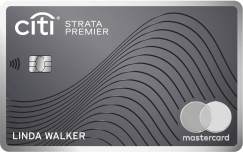
Citi Strata Premier® Card
Intro bonus:60,000 Points
Ongoing APR:19.49% - 27.49% (Variable)
Rewards:1x - 10x (Points per dollar)
Annual Fee:$95
Costco Anywhere Visa® Card by Citi
Ongoing APR:18.74% - 26.74% (Variable)
Rewards:1% - 5% (cash back)
Annual Fee:$0

Avant® Cashback Rewards Mastercard®
Ongoing APR:35.99%*
Rewards:1% (cash back)
Annual Fee:$75*
Citi® / AAdvantage® Globe™ Mastercard®
Ongoing APR:19.49% - 29.49% (Variable)
Rewards:1x - 6x (Miles per dollar)
Annual Fee:$350

Avant® Cashback Rewards Mastercard®
Ongoing APR:35.99%*
Rewards:1% (cash back)
Annual Fee:Introductory fee of $75 for the first year. After that, $99 annually.*

Credit One Bank® Platinum X5 Visa® Metal Card
Ongoing APR:29.74% Variable
Rewards:1% - 5% (cash back)
Annual Fee:$95
First Progress Select Secured Mastercard® Cash Back Rewards
Ongoing APR:17.49% Variable
Rewards:1% - 10% (cash back)
Annual Fee:$39

Credit One Bank® Premier American Express® Credit Card
Ongoing APR:29.74% Variable
Rewards:1% (cash back)
Annual Fee:$39

Credit One Bank® Wander® American Express® with Dining, Gas & Travel Rewards
Ongoing APR:29.74% Variable
Rewards:1% - 10% (cash back)
Annual Fee:$95

Discover it® Miles
Intro bonus:Discover Match®
Intro APR:0% intro APR for 15 months on Purchases and Balance Transfers
Ongoing APR:17.49% - 26.49% Variable APR
Rewards:1.5x (Miles per dollar)
Annual Fee:$0
Delta SkyMiles® Reserve American Express Card
Intro bonus:As High As 100,000 Bonus Miles. Find Out Your Offer.
Ongoing APR:19.49%-28.49% Variable
Rewards:1x - 3x (Miles per dollar)
Annual Fee:$650
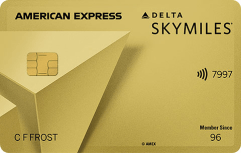
Delta SkyMiles® Gold American Express Card
Intro bonus:As High As 80,000 Bonus Miles. Find Out Your Offer.
Ongoing APR:19.49%-28.49% Variable
Rewards:1x - 2x (Miles per dollar)
Annual Fee:$0 introductory annual fee for the first year, then $150.

Credit One Bank® Premier American Express® Unlimited Rewards Card
Ongoing APR:29.74% Variable
Rewards:1% (cash back)
Annual Fee:$0
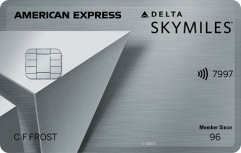
Delta SkyMiles® Platinum American Express Card
Intro bonus:As High As 90,000 Bonus Miles. Find Out Your Offer.
Ongoing APR:19.49%-28.49% Variable
Rewards:1x - 3x (Miles per dollar)
Annual Fee:$350
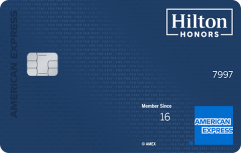
Hilton Honors American Express Surpass® Card
Intro bonus:130,000 Points
Ongoing APR:19.49%-28.49% Variable
Rewards:3x - 12x (Points per dollar)
Annual Fee:$150
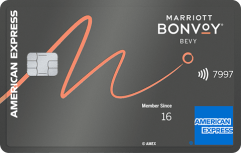
Marriott Bonvoy Bevy® American Express® Card
Intro bonus:175,000 Points
Ongoing APR:19.49%-28.49% Variable
Rewards:2x - 6x (Points per dollar)
Annual Fee:$250

Avant® Cashback Rewards Mastercard® - With A Higher Credit Limit
Ongoing APR:35.99%*
Rewards:1% (cash back)
Annual Fee:$125*
See all our best credit cards for 2026.
What Is a Credit Utilization Rate?
A credit card's credit utilization ratio, or rate, is the percentage of the card's credit limit in use. For example, if a credit card has a $1,000 balance and a $5,000 limit, its utilization ratio is 20%.
To calculate the utilization ratio on a credit card, divide the balance ($1,000) by the credit limit ($5,000) and multiply the result by 100 to get a percent. In this case, 1,000 / 5,000 = 0.20, which then becomes 20%.
Credit scoring models use the ratio as a factor in determining your credit score, and having a low utilization rate is best for your scores. When calculating your scores, credit scoring models use the credit card balance and credit limit on your credit report.
Credit card companies generally report your account's information to the credit bureaus around the end of each billing cycle—when the statement balance is determined. This is why the balance on your credit report can be different from your current balance, and why your statement balance typically better reflects your credit utilization than your current balance.
Why Your Credit Card Balance and Utilization Are Important
Your card's balance and utilization are important because the balance represents what you owe and the utilization can significantly impact your credit score.
- If you're carrying a credit card balance: Paying down the balance offers a double benefit. First, you'll accrue less interest the faster you pay it off. And second, your credit score may increase as your balance drops.
- If you pay your balance in full each month: You won't accrue interest on your purchases. However, the statement balance is still reported to the credit bureaus and you could have a high utilization rate. To lower your statement balance and the resulting utilization rate, you need to pay down the balance before the end of the billing cycle.
Since a lower statement balance is better for your credit scores, you might consider paying off the balance in full every few weeks—or even more frequently. The best utilization rate is actually a rate in the low single digits, such as 1%. A very low utilization ratio shows that you use and manage your card, but you don't overextend yourself and won't have trouble taking on additional financial responsibilities.
Monitor Your Balances and Utilization
You can monitor your credit card balances during the month to figure out what will be reported to the bureaus. If you're trying to optimize your utilization rate to improve your credit score, you can try to add automatic payments to pay down your balance before the end of each statement. Or, set reminders for yourself to make payments before the end of each billing cycle.
Additionally, you can check your credit cards' current utilization rates by checking your credit report for free from Experian. Your account also shows your overall utilization rate based on the balances and limits of all your revolving credit accounts, which can also be an important scoring factor. And you can get tips for improving your score and track your score over time for free.
Don’t apply blindly
Apply for credit cards confidently with personalized offers based on your credit profile. Get started with your FICO® Score for free.
See your offers
About the author

Louis DeNicola
Louis DeNicola is freelance personal finance and credit writer who works with Fortune 500 financial services firms, FinTech startups, and non-profits to teach people about money and credit. His clients include BlueVine, Discover, LendingTree, Money Management International, U.S News and Wirecutter.
Read more from Louis