
 Edited by Samuel Mountjoy
What Is a Credit Card Network?
Edited by Samuel Mountjoy
Quick Answer
The biggest credit card networks are American Express, Discover, Mastercard and Visa. They work behind the scenes to facilitate credit card transactions and set fees charged to merchants in exchange for processing transactions. Some also issue credit cards.

Credit card networks make credit card transactions possible by connecting the merchant with the financial institution that issued a customer's credit card. They operate either by moving money from the customer's bank to the merchant's bank, or by performing the banks' function and authorizing transactions themselves.
When you use a credit card to buy something in a store or online, these networks work quickly to complete the transaction. It might get approved within a second, or it could be denied if you don't have enough available credit or the transaction looks suspicious.
Here's what to know about credit card networks and how they work.
What Are Credit Card Networks?
Credit card networks work to transfer funds from a cardholder to a merchant. When you make a purchase using a credit card, the network communicates transaction information between the merchant's bank (also called the acquiring bank) and the financial institution that issued your card (the issuing bank).
The major U.S. credit card networks, also called card associations, are American Express, Discover, Mastercard and Visa. Credit card networks don't determine your annual percentage rate (APR) or rewards; that's up to the credit card issuer, such as Capital One or Chase. American Express and Discover, however, are issuers that also run their own networks. So these companies both provide consumer credit cards and operate the networks that enable transactions.
Tip: You can't choose your own network when you apply for a credit card. But if you have a preferred network in mind, you can seek out cards on that network and apply only for those. You can find the card network's logo either on the credit card itself or see it listed in the credit card agreement.
Best credit cards of 2026
Compare cards from our partners with intro bonuses, cash back or points offers, and annual fees as low as $0.
Offers from our partners
Citi Double Cash® Card
Intro APR:0% for 18 months on Balance Transfers
Ongoing APR:17.49% - 27.49% (Variable)
Rewards:2% (cash back)
Annual Fee:$0

Blue Cash Everyday® Card from American Express
Intro bonus:As High As $200 Cash Back. Find Out Your Offer.
Intro APR:0% on Purchases and Balance Transfers for 15 months
Ongoing APR:19.49%-28.49% Variable
Rewards:1% - 3% (cash back)
Annual Fee:$0

Discover it® Chrome
Intro bonus:Cashback Match™
Intro APR:0% intro APR for 6 Months on Purchases and 0% intro APR for 18 Months on Balance Transfers
Ongoing APR:17.49% - 26.49% Variable APR
Rewards:1% - 2% (cash back)
Annual Fee:$0

Revel® Platinum Mastercard®
Ongoing APR:35.90% Fixed
Rewards:N/A*
Annual Fee:$75 - $125
Citi® Diamond Preferred® Card
Intro APR:0% for 21 months on Balance Transfers and 12 months on Purchases
Ongoing APR:16.49% - 27.24% (Variable)
Rewards:N/A*
Annual Fee:$0
American Express Platinum Card®
Intro bonus:As high as 175,000 points. Find out your offer.
Ongoing APR:See Pay Over Time APR
Rewards:1x - 5x (Points per dollar)
Annual Fee:$895

Discover it® Cash Back
Intro bonus:Cashback Match™
Intro APR:0% intro APR for 15 months on Purchases and Balance Transfers
Ongoing APR:17.49% - 26.49% Variable APR
Rewards:1% - 5% (cash back)
Annual Fee:$0
FIT™ Platinum Mastercard® - $400 Credit Limit
Ongoing APR:35.90% Fixed
Rewards:N/A*
Annual Fee:$99 first year; $125 thereafter

Credit One Bank American Express® Card for Rebuilding Credit
Ongoing APR:29.74% Variable
Rewards:1% (cash back)
Annual Fee:$75 First year. $99 thereafter, billed monthly at $8.25
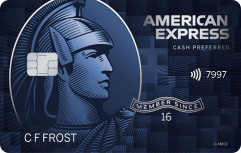
Blue Cash Preferred® Card from American Express
Intro bonus:As High As $300 Cash Back. Find Out Your Offer.
Intro APR:0% on Purchases and Balance Transfers for 12 months
Ongoing APR:19.49%-28.49% Variable
Rewards:1% - 6% (cash back)
Annual Fee:$0 intro annual fee for the first year, then $95.

Avant® Mastercard®
Ongoing APR:35.99%*
Rewards:N/A*
Annual Fee:$0*
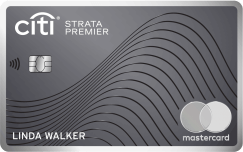
Citi Strata Premier® Card
Intro bonus:60,000 Points
Ongoing APR:19.49% - 27.49% (Variable)
Rewards:1x - 10x (Points per dollar)
Annual Fee:$95

Avant® Cashback Rewards Mastercard®
Ongoing APR:35.99%*
Rewards:1% (cash back)
Annual Fee:$0*
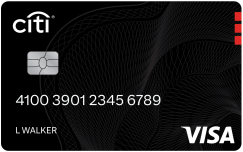
Costco Anywhere Visa® Card by Citi
Ongoing APR:18.74% - 26.74% (Variable)
Rewards:1% - 5% (cash back)
Annual Fee:$0
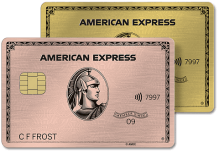
American Express® Gold Card
Intro bonus:As high as 100,000 points. Find out your offer.
Ongoing APR:See Pay Over Time APR
Rewards:1x - 4x (Points per dollar)
Annual Fee:$325

First Latitude Secured Mastercard® Cash Back Rewards
Ongoing APR:27.49% Variable
Rewards:1% - 10% (cash back)
Annual Fee:$0

Avant® Cashback Rewards Mastercard®
Ongoing APR:35.99%*
Rewards:1% (cash back)
Annual Fee:Introductory fee of $75 for the first year. After that, $99 annually.*

Avant® Cashback Rewards Mastercard®
Ongoing APR:35.99%*
Rewards:1% (cash back)
Annual Fee:$39*

Credit One Bank® Platinum X5 Visa® Metal Card
Ongoing APR:29.74% Variable
Rewards:1% - 5% (cash back)
Annual Fee:$95
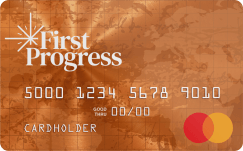
First Progress Select Secured Mastercard® Cash Back Rewards
Ongoing APR:17.49% Variable
Rewards:1% - 10% (cash back)
Annual Fee:$39
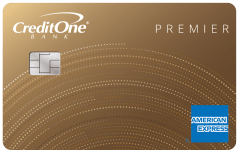
Credit One Bank® Premier American Express® Credit Card
Ongoing APR:29.74% Variable
Rewards:1% (cash back)
Annual Fee:$39

Hilton Honors American Express Card
Intro bonus:70,000 Points
Ongoing APR:19.49%-28.49% Variable
Rewards:3x - 7x (Points per dollar)
Annual Fee:$0
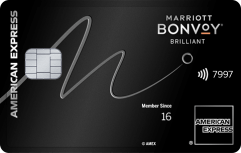
Marriott Bonvoy Brilliant® American Express® Card
Intro bonus:200,000 Points
Ongoing APR:19.49%-28.49% Variable
Rewards:2x - 6x (Points per dollar)
Annual Fee:$650
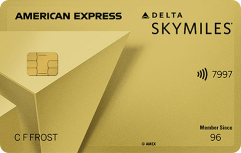
Delta SkyMiles® Gold American Express Card
Intro bonus:As High As 80,000 Bonus Miles. Find Out Your Offer.
Ongoing APR:19.49%-28.49% Variable
Rewards:1x - 2x (Miles per dollar)
Annual Fee:$0 introductory annual fee for the first year, then $150.

Credit One Bank® Premier American Express® Unlimited Rewards Card
Ongoing APR:29.74% Variable
Rewards:1% (cash back)
Annual Fee:$0

Hilton Honors American Express Surpass® Card
Intro bonus:130,000 Points
Ongoing APR:19.49%-28.49% Variable
Rewards:3x - 12x (Points per dollar)
Annual Fee:$150

One Key+™ Card
Intro bonus:$350
Ongoing APR:18.49%, 23.49%, or 28.49% Variable APR
Rewards:2x - 3x (Points per dollar)
Annual Fee:$99

Avant® Cashback Rewards Mastercard® - With A Higher Credit Limit
Ongoing APR:35.99%*
Rewards:1% (cash back)
Annual Fee:$125*

Avant® Cashback Rewards Mastercard®
Ongoing APR:35.99%*
Rewards:1% (cash back)
Annual Fee:$0*

Avant® Cashback Rewards Mastercard®
Ongoing APR:35.99%*
Rewards:1% (cash back)
Annual Fee:$75*
See all our best credit cards for 2026.
Types of Credit Card Networks
There are two types of credit card networks:
- Open, also known as four-party networks
- Closed, or three-party networks
Networks dictate where your card is accepted. Closed networks such as American Express and Discover are less widely accepted internationally than open networks like Mastercard or Visa.
| Open credit card networks | Closed credit card networks | |
|---|---|---|
| Alternate name | Also known as four-party networks | Also known as three-party networks |
| Issuers | Other financial institutions may issue cards that utilize these networks | Other financial institutions don't typically issue cards that utilize these networks |
| Examples | Examples include Mastercard and Visa | Examples include American Express and Discover |
| Acceptance | More widely accepted internationally | Less widely accepted internationally |
Open Networks
In an open network, the four parties usually involved in a transaction are the merchant, the cardholder, the merchant's bank and the cardholder's bank. Banks such as Wells Fargo or Bank of America can issue their own credit cards and use these networks during the transaction process. Mastercard and Visa are examples of open networks.
Closed Networks
In a closed network, three parties are involved: the merchant, the cardholder and the network, which both issues the card and facilitate transactions. American Express and Discover are closed networks, as they authorize payments for their own credit cards, and other banks don't typically offer credit cards that use these networks. An exception is Credit One Bank, which issues American Express cards.
Credit Card Network vs. Credit Card Issuer
While credit card networks facilitate the transfer of information, credit card issuers are the companies that offer credit cards to consumers and businesses. The card issuer is the company that determines who qualifies for the card as well as its fees and its rewards.
As a cardholder, you'll typically deal with your card issuer, not the card's network, when taking actions such as paying your bill or reporting your card as missing.
Some large credit card issuers aren't household names, even if they issue a lot of credit cards. For example, Synchrony Financial and Comenity Bank are the two issuers behind many store credit cards. The retailer's name might be printed on the front of your card, but the card issuer will manage your account, collect payments and may report the account's status to the credit bureaus.
| Credit Card Network | Credit Card Issuer |
|---|---|
| Links merchant's bank and customer's bank to facilitate credit card payments | Makes credit cards available to customers |
| Provides information that determines whether transaction will be approved or denied | Determines credit card eligibility rules and manages the application process |
| Helps monitor and prevent fraud | Specifies each credit card's unique features such as fees, credit limits, APRs, rewards and benefits |
| Connects merchants with providers who can install hardware and software allowing acceptance of card payments | Accepts credit card bill payments from customers |
| Creates rules for the cards that are part of its network, such as phasing out magnetic stripes in favor of chip or contactless cards | May report customers' payment history, credit limits and other data to credit bureaus |
| Sets interchange fees, which are charged to merchants in exchange for processing transactions | Confirms customer's available credit, verifies their identity and approves or denies a purchase during the transaction process |
How Do Credit Card Networks Work?
Here are the general steps that take place during the transaction process.
1. Initiation
A customer initiates a credit card payment by swiping, inserting the card into a merchant's chip reader, tapping a contactless card at a terminal or completing a payment online.
2. Transmission to Processor
The merchant's payment system then transmits the payment data to the credit card processor, a company that works as an intermediary between the merchant, the banks involved and the credit card network. Small businesses in particular rely on credit card processors because they may not have the technology in place to link to credit card networks directly.
3. Request to Network
The credit card processor then sends the transaction information to the credit card network. Credit card processing is the reason for credit card surcharges, or swipe fees. The networks set interchange fees—such as a flat fee plus a percentage of the transaction amount—that are charged to merchants to process the transaction. These fees are split by different parties involved in the processing of the transaction, and merchants must pay them if they accept payments from cards belonging to a credit card network. Some merchants pass these fees on to customers.
4. Request to Issuer
Next, the network sends a request to the customer's credit card issuer and the issuing bank that provided the card. The issuer takes steps to confirm that the customer has enough available credit to make the purchase, and that they are the rightful owner of the account.
5. Approval or Decline
Finally, the issuer sends this data to the credit card network, which then communicates with the credit card processor. The purchase will be either approved or declined.

The Bottom Line
Credit card networks play an important role in the credit card transaction process, though their involvement is often invisible to the average consumer. You may only take note of your card's network if your card isn't accepted in certain places, especially internationally.
Understanding how credit card networks operate is important when choosing a credit card, as it can help you determine which credit card issuers and networks to zero in on—or avoid.
Don’t apply blindly
Apply for credit cards confidently with personalized offers based on your credit profile. Get started with your FICO® Score for free.
See your offers
About the author

Brianna McGurran
Brianna McGurran is a freelance journalist and writing teacher based in Brooklyn, New York. Most recently, she was a staff writer and spokesperson at the personal finance website NerdWallet, where she wrote "Ask Brianna," a financial advice column syndicated by the Associated Press.
Read more from Brianna